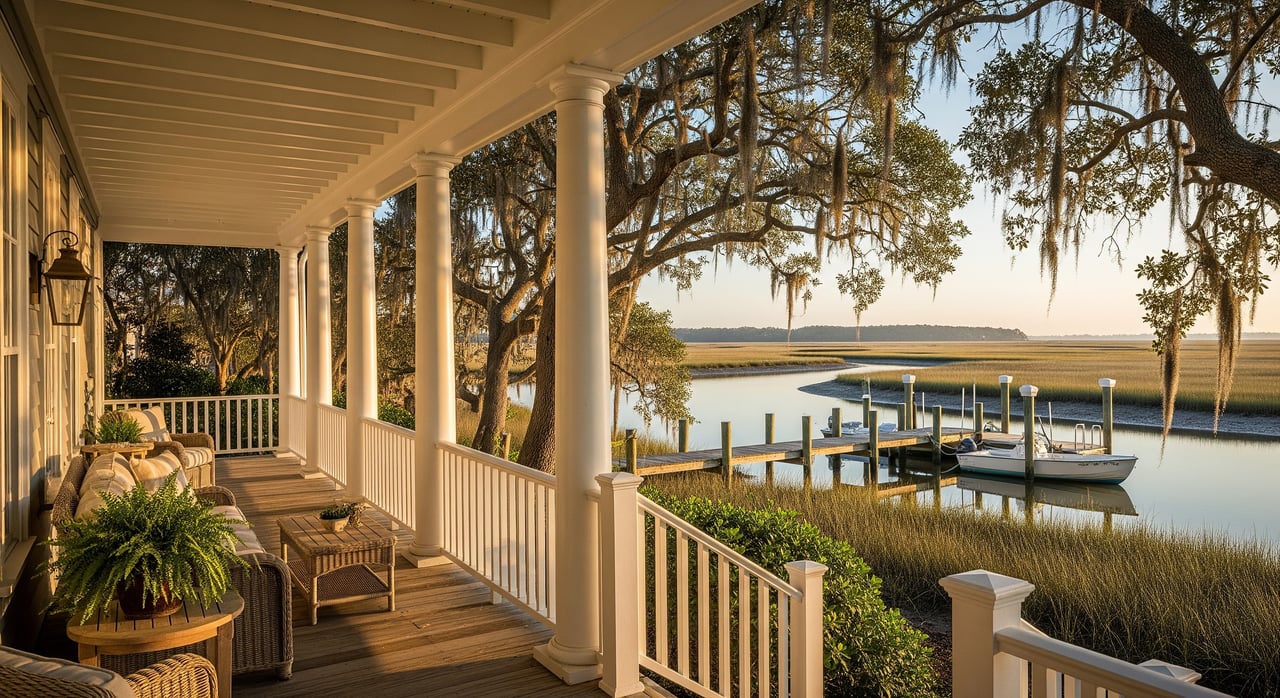
Trying to decide between Beaufort’s historic charm and Bluffton’s modern Lowcountry energy? You are not alone. Both offer beautiful waterfronts, strong community life, and that easy coastal pace, but the day-to-day feel is different. In this guide, you will learn how each town lives, from architecture and waterfront access to commute patterns, amenities, and practical buying details like flood zones and HOAs. Let’s dive in.
How to use this guide
This comparison focuses on lifestyle fit, not winners and losers. You will see how daily routines differ in each place, so you can match a home to the way you want to live. The lens is Bluffton-based, since many relocating buyers think about commuting to Hilton Head Island, dipping into Savannah for flights or services, and staying close to the May River. Use these notes to form a short list of neighborhoods and questions to bring on your next tour.
Built form and neighborhood character
Beaufort: Historic core and walkable fabric
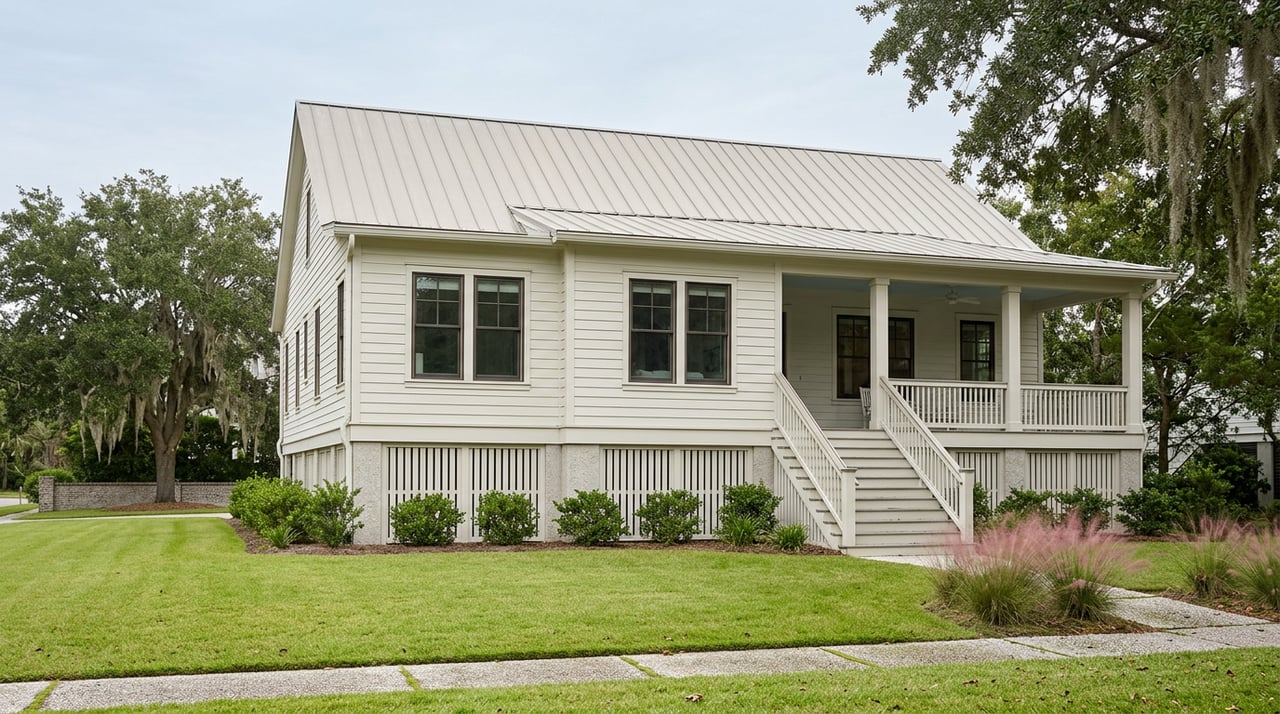
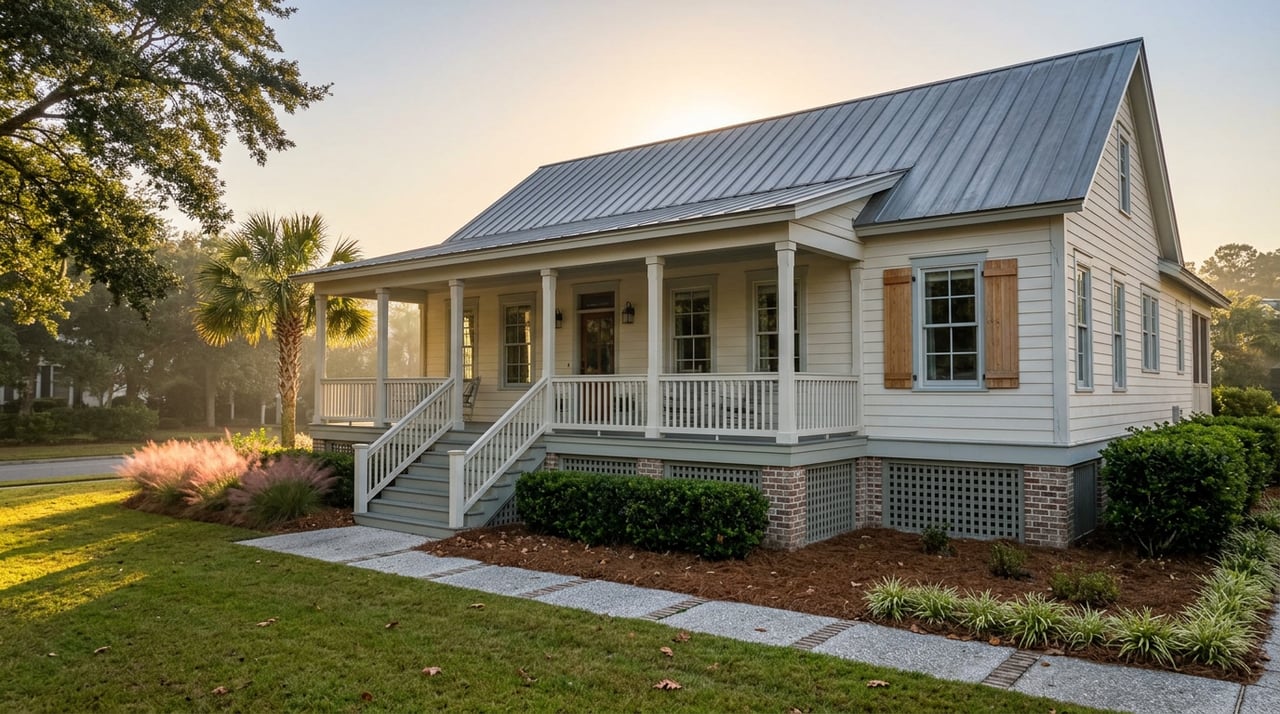
Beaufort centers on a compact, historic downtown with narrow streets, mature live oaks, and preserved 18th and 19th century homes. Expect Lowcountry cottages, raised frame houses with deep porches, and some brick and tabby structures. The Historic District adds a layer of preservation review that shapes exterior renovation and new construction. If you value small-lot charm and like to stroll a waterfront promenade, Beaufort’s core delivers.
Bluffton: Old Town roots and modern growth
Bluffton blends a quaint Old Town with rapid, master-planned growth beyond the core. In Old Town, you will find renovated cottages and a lively village feel near the May River. Outside the core, newer single-family neighborhoods, gated communities, and resort-style developments are common, including high-end estates in places like Palmetto Bluff. Design varies from ranch and Craftsman to Lowcountry modern, with more driveway and garage parking, wider streets, and community amenities.
Waterfront and outdoor lifestyle
Beaufort: Harborfront promenades and public access
Beaufort faces Port Royal Sound and the Beaufort River, and its downtown waterfront is a signature feature. You can walk a continuous promenade, enjoy parks and public piers, and watch working and visiting boats glide by. Much of the edge is tidal marsh, with select properties offering private docks. If your ideal day includes a coffee followed by a waterfront stroll and easy access to tours or cruises, Beaufort fits that rhythm.
Bluffton: May River living and private amenities
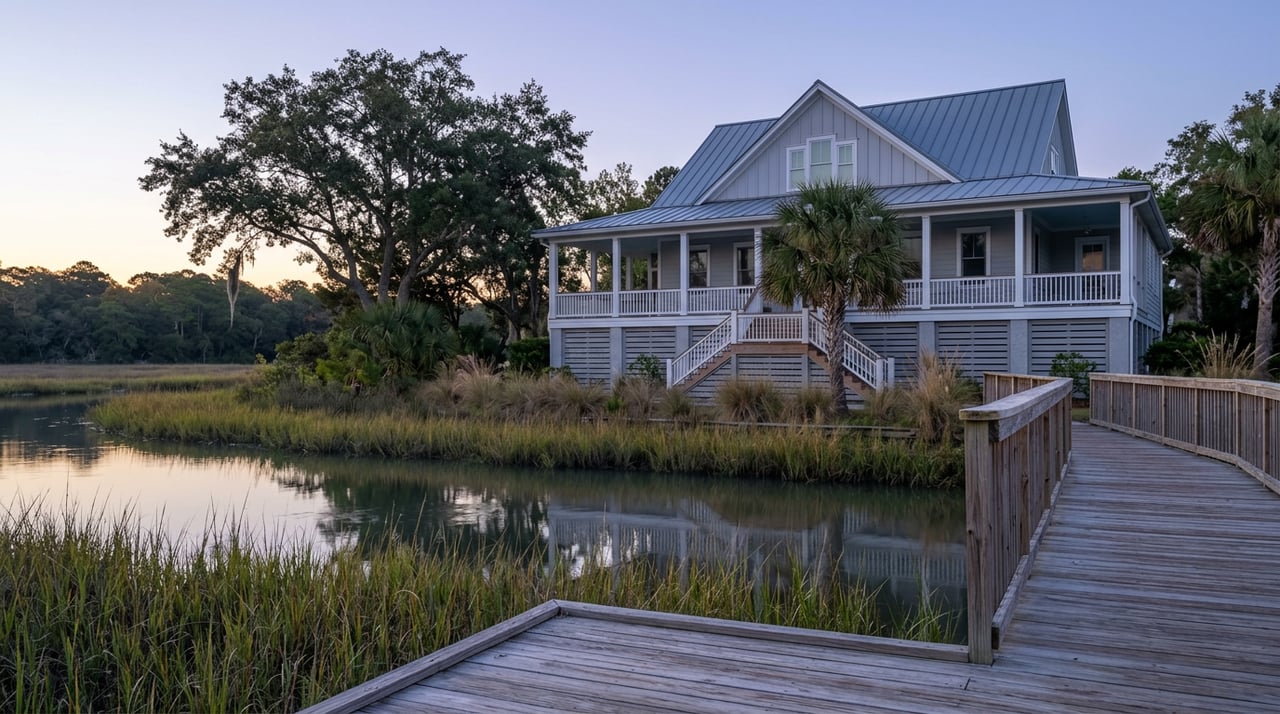
Bluffton orients around the May River and nearby waterways, with public riverfront parks in Old Town plus many neighborhoods that build boating directly into daily life. Private docks, marina memberships, and planned boat launches are common amenities in master-planned communities. If you want to step out from your neighborhood and be on the water quickly, Bluffton’s community infrastructure often makes that seamless.
Commute patterns and transportation
Regional connections from a Bluffton base
From Bluffton, many residents commute to Hilton Head Island for resort-related jobs and amenities or head to Savannah for regional services and the airport. Beaufort serves as a county job center tied to government, healthcare, tourism, and marine industries. The main corridors connecting these areas matter to your weekly routine. If you plan to split time across Hilton Head, Savannah, and Bluffton’s services, living closer to Bluffton often shortens those legs.
Seasonality and local circulation
Tourism influences traffic in spring, summer, and holiday periods. Expect peak-hour congestion to intensify during those seasons, especially on routes to Hilton Head Island and toward Savannah. Beaufort’s downtown is compact and pedestrian-friendly but can have limited parking near historic streets. Bluffton’s suburban areas are more car-oriented, with easier driveway and garage parking and growing trail networks inside many neighborhoods.
Amenities and services
Downtown character and cultural life
Beaufort leans into its heritage with galleries, historic sites, small restaurants and bars, and riverside festivals. It suits a slower, historic-town pace where weekends might mean a porch swing and sunset along the river. Bluffton’s Old Town offers a lively arts and dining scene with regular community events on the May River. The broader town emphasizes planned parks, community centers, and neighborhood amenities.
Daily conveniences and health care
Bluffton’s growth brought supermarket chains, big-box retail, and new shopping centers closer to residential areas. Beaufort’s center is more boutique, with fewer large retail anchors nearby, though you can access major services across the county and in neighboring cities. For specialty medical care and hospital needs, residents often use a mix of local providers in Beaufort and Bluffton, plus Hilton Head Island and Savannah. If you prefer most errands within a short drive, newer Bluffton corridors tend to be convenient.
Housing types and lifestyle fit
If you want historic walkability
Target Beaufort’s downtown neighborhoods for preserved architecture on smaller lots, easy waterfront promenades, and intimate street life. Renovations can be rewarding, but plan for preservation review. You may also find small infill townhomes near the core.
If you want new construction and amenities
Look to Bluffton’s newer subdivisions and master-planned communities. You will see a broad range of styles and sizes, often with HOAs, community pools, fitness centers, golf, walking trails, and marina options. Larger lots and modern layouts are common, and many neighborhoods are designed for quick access to daily conveniences.
If you want a blend
Old Town Bluffton offers historic cottage living within a growing village center, while smaller neighborhoods near downtown Beaufort can balance charm with convenience. Each has a distinct feel, so tour both to see which rhythm fits you.
Practical buying considerations in coastal Lowcountry
Coastal settings add details that can make or break a deal. Keep these in focus as you tour:
- Flood risk and elevation. Coastal and tidal influences mean many properties sit within FEMA-designated flood zones. Ask for elevation certificates and confirm flood zone status. Elevated construction and mitigation features often affect insurability.
- Insurance and rebuilding costs. Flood and homeowners’ insurance can vary with elevation, construction type, and community ratings. Waterfront exposure and dock structures can increase costs.
- Sewer, water, and septic. Many newer communities are on municipal sewer and public water. Some older or rural properties use septic or wells. Confirm service type and capacity, especially if you plan additions.
- HOAs and covenants. Bluffton’s master-planned communities commonly include HOAs with rules for exterior changes, docks, landscaping, and amenity fees. Review governing documents and budgets early. In Beaufort’s historic areas, preservation covenants may apply.
- Historic district review. Exterior renovations, additions, and demolitions in Beaufort’s Historic District and Bluffton’s Old Town historic areas typically require design review. Build in time and consult guidelines before planning changes.
- Docks and tidal realities. Not every waterfront lot supports the same dock type. Depth, tidal range, and permitting constraints matter. Confirm riparian rights, recorded easements, and any prior dock permits.
- Environmental and wetlands permitting. Building near marsh or wetlands can trigger state and federal reviews. Factor in timeline and mitigation costs if you plan shoreline work.
A quick buyer’s checklist for property tours
Use this list to organize information on each address you consider:
- FEMA flood zone and panel; any prior flood claims
- Elevation certificate, if available
- HOA documents, fee schedule, recent meeting minutes, and any special assessments
- Historic district status and any past design review approvals or denials
- Utilities: water and sewer provider; recent septic inspection if applicable
- Dock, bulkhead, or seawall condition; permits and recorded easements
- Recent survey with setbacks, tidal frontage, and easements
- Recent inspection reports, seller disclosures, and a few local comparable sales
Decision snapshots: Beaufort vs. Bluffton
- Choose Beaufort if you value a walkable historic core with a waterfront promenade, preserved architecture, and a compact, traditional town feel. You accept design review as part of stewardship and enjoy being close to galleries, historic sites, and riverside parks.
- Choose Bluffton if you want newer homes, larger lots, master-planned amenities, and quick access to everyday retail. You prefer neighborhoods with community trails, pools, and convenient marina options along the May River.
- Shared truths. Both sit within a tidal Lowcountry environment. Flood risk, insurance, septic versus sewer, and shoreline permitting are important in both places. The right fit comes down to how you plan to spend your days, where you run your errands, and how you want to access the water.
Next steps with a local advisor
If you are narrowing your list, walk both towns at different times of day. Grab lunch by the water, map your likely commute, and visit a riverfront park at high and low tide. Then pair your impressions with a focused property search that surfaces the right lot type, review requirements, and HOA structure.
Looking for a calm, data-informed process with local nuance and luxury-grade marketing? Let’s talk about how you live, not just where you buy. FOLLOW YOUR DREAM, HOME. Connect with Eoin ODriscoll to compare neighborhoods, refine your criteria, and tour properties that fit the way you want to live.
FAQs
Is Beaufort or Bluffton better for walkability if I want a historic vibe?
- Beaufort’s compact Historic District offers the most consistent walkable fabric near a waterfront promenade, while Old Town Bluffton provides a smaller historic core within a larger, car-oriented town layout.
How does seasonal traffic affect commuting from each town?
- Tourism seasons increase congestion on key corridors, especially to Hilton Head Island and toward Savannah; plan for variable drive times and occasional bridge or causeway bottlenecks.
What should I know about HOAs in Bluffton’s master-planned communities?
- Many Bluffton neighborhoods use HOAs that govern exterior changes, landscaping, dock use, and amenities; review covenants, fees, and recent meeting minutes before you commit.
What is renovation like in Beaufort’s Historic District or Old Town Bluffton?
- Exterior changes typically require design review, which adds time and standards for materials and scale; consult local guidelines early to align your scope and timeline.
How do flood zones and elevation impact buying in both towns?
- Many parcels fall within FEMA flood zones; request an elevation certificate and consult maps to understand insurance needs, permitting constraints, and potential mitigation measures.
Where do residents go for everyday shopping and medical services?
- Bluffton’s growth brings big-box retail and supermarkets close to neighborhoods; residents in both towns also use services in Hilton Head Island and the regional providers in Savannah.