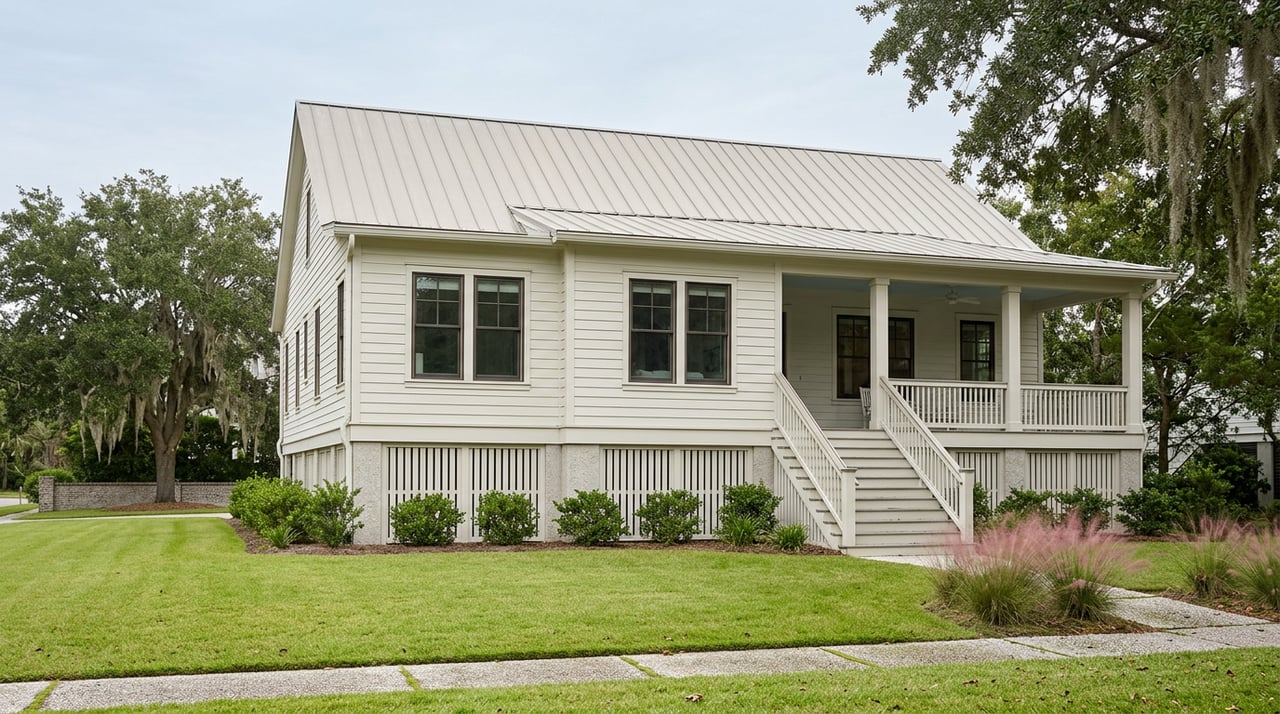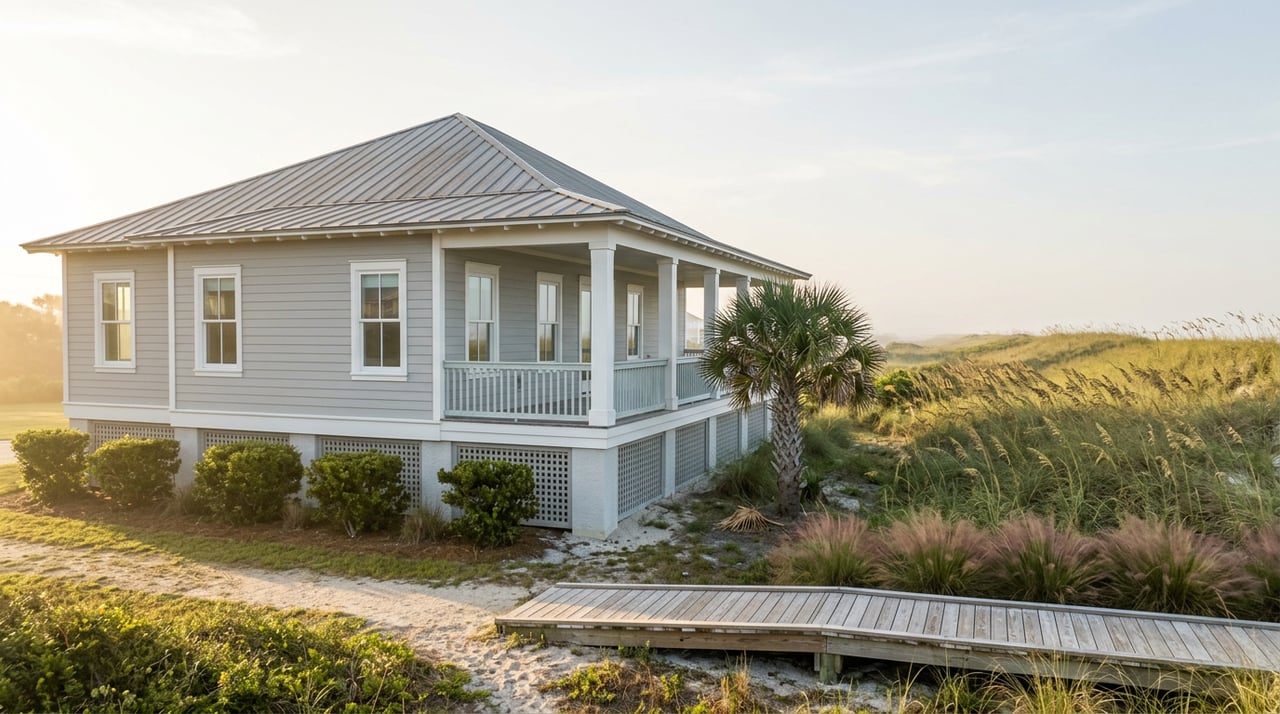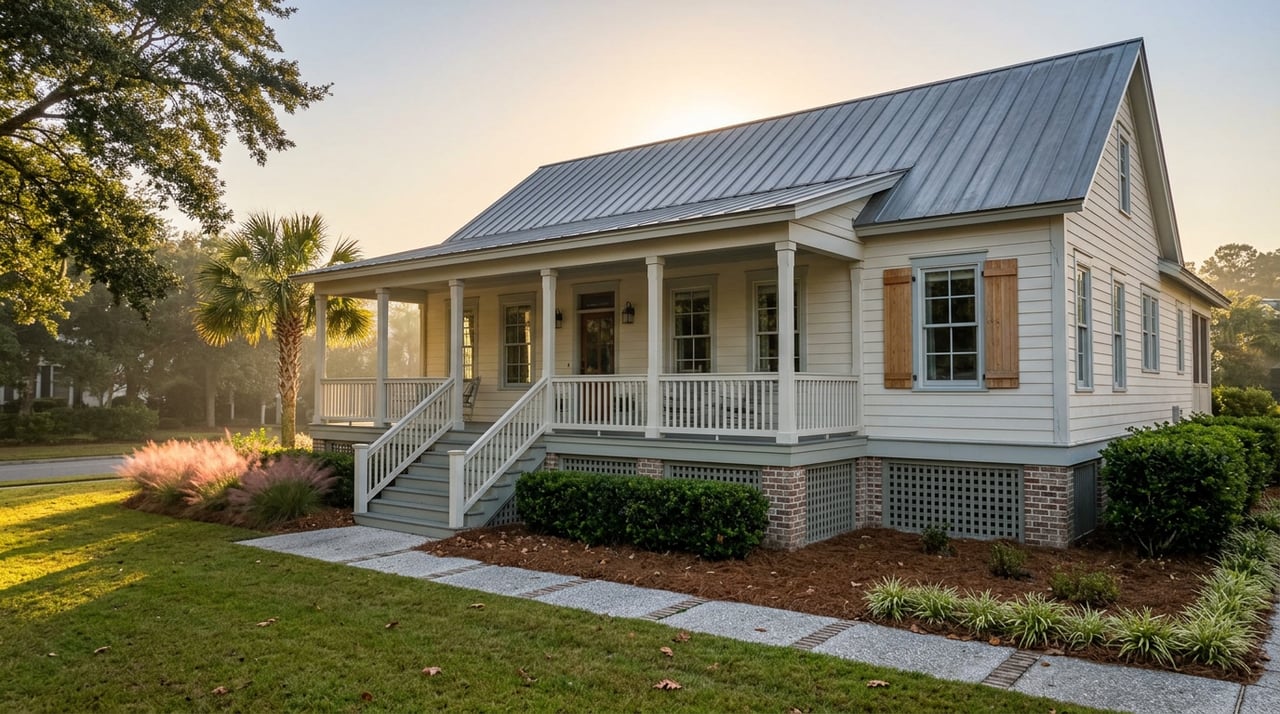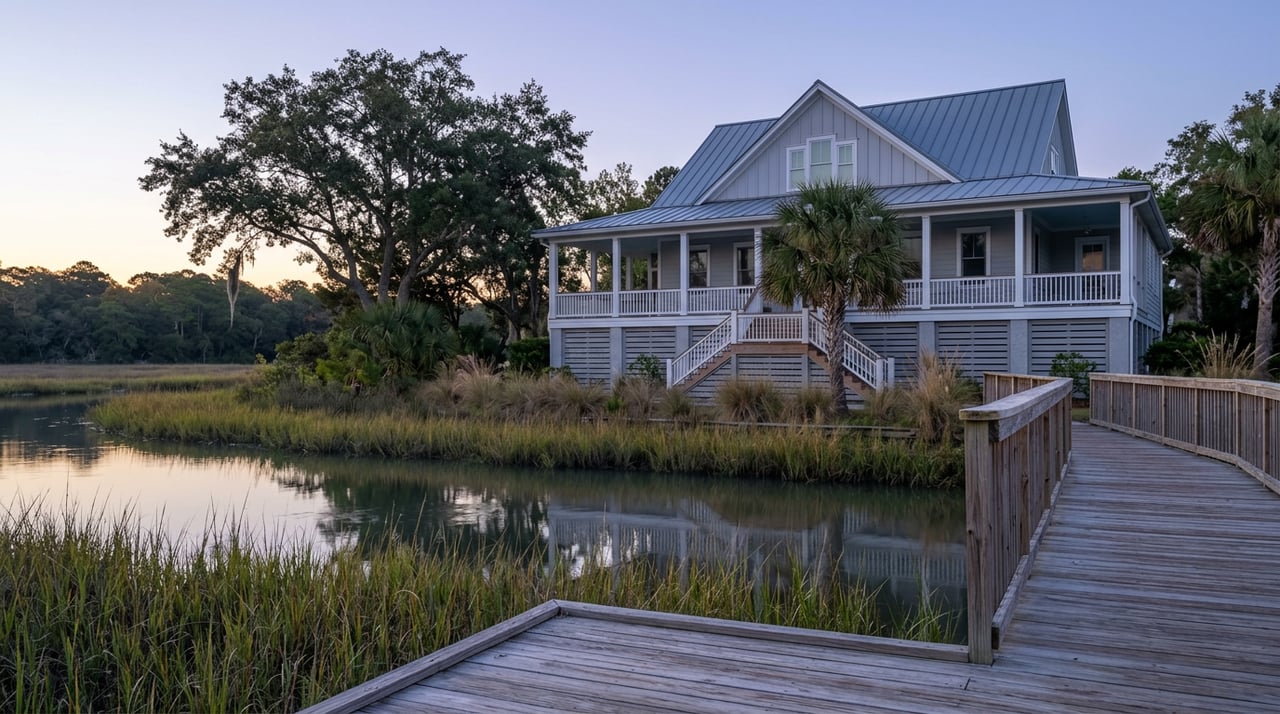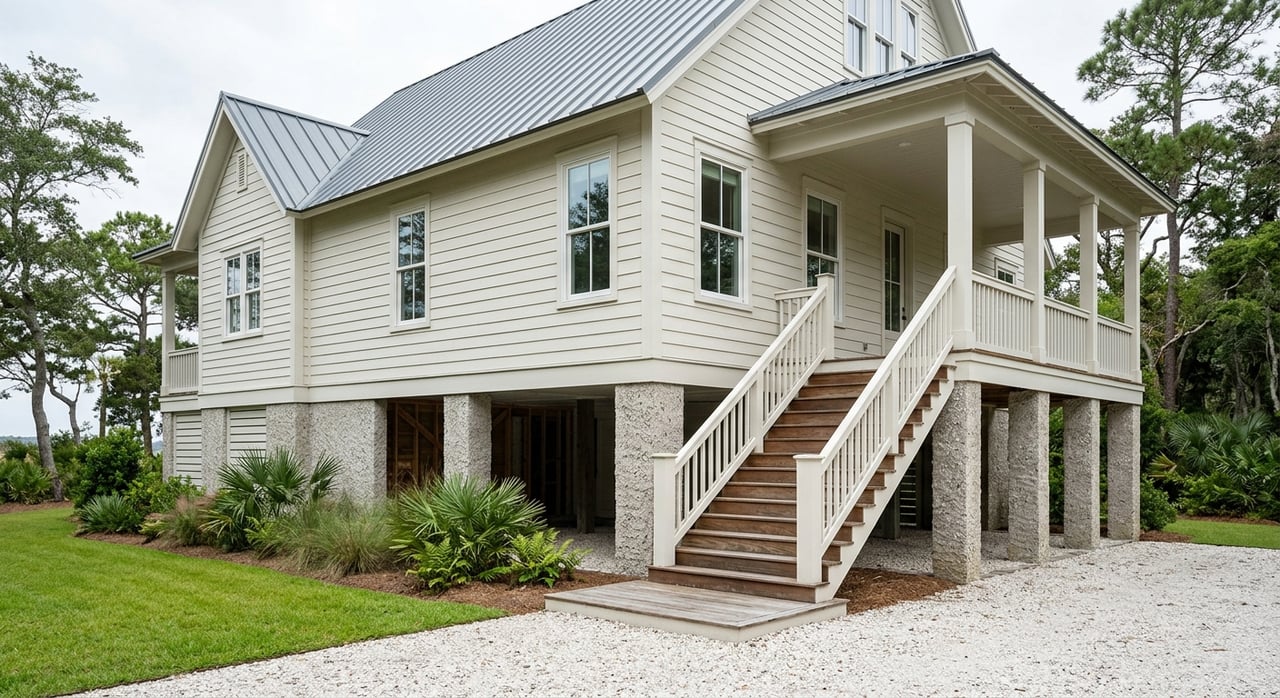
Building a custom home in Beaufort can feel exciting right up until the details start stacking up. Is the lot in the City of Beaufort or unincorporated Beaufort County? Is it in a flood zone, inside the historic district, or dependent on septic? If you are hoping to build with confidence, the good news is that a little upfront due diligence can save you time, money, and stress later. Let’s walk through the key planning steps that matter most before you buy land or finalize your design.
Start With the Parcel
Before you think about floor plans, porches, or finishes, you need to understand the parcel itself. In Beaufort, one of the first questions is whether the property is inside the City of Beaufort or in unincorporated Beaufort County, because each jurisdiction has a different review and permitting path.
In the City, the Planning Division handles matters like design review and changes to legal property boundaries. In unincorporated Beaufort County, zoning, building inspections, floodplain review, and stormwater are handled through separate functions. That difference alone can shape your timeline and the type of professional guidance you may need.
Check Historic District Rules
If your lot is in the City of Beaufort’s historic district, design review becomes a major part of the process. The Historic District Review Board reviews demolition, new construction, additions, rehabilitation, renovation, and restoration within the district.
That does not mean every custom home in Beaufort goes through the same level of design scrutiny. Detached single-family homes on individual lots outside the historic district are not subject to the City’s Development Design Review, and Beaufort County’s Development Review Board excludes single-family and two-family residential in the zoning categories it reviews.
Look for Private and Environmental Constraints
A parcel can look perfect online and still come with important limits. Recorded covenants may affect what you can build, and some Beaufort County sites may involve tree removal rules, river-buffer requirements, view-corridor considerations, or separate approvals for docks and shoreline improvements.
If you are looking at a waterfront or heavily wooded lot, do not assume the process will be straightforward. These parcels often require more review than a standard inland homesite, so it is smart to evaluate feasibility before you get emotionally attached.
Understand Flood Risk Early
Flood risk is one of the most important site-planning questions in Beaufort. FEMA notes that areas with a 1% annual chance of flooding are considered high risk, and over a 30-year mortgage, those areas carry about a one-in-four chance of flooding.
Beaufort County uses FEMA digital flood insurance rate maps to regulate development in Special Flood Hazard Areas. The county also provides a process for requesting elevation certificates, which can become an important part of planning, budgeting, and insurance decisions.
Why Flood Review Affects More Than Insurance
Flood exposure can influence much more than your future premium. It may affect home elevation, foundation design, engineering needs, and the overall build budget.
In practical terms, if a lot sits in a flood-prone area, you should expect extra coordination with professionals such as a surveyor or engineer. This is one reason flood review should happen early, not after you have already invested time and money into a design.
Know the Approval Path Before You Buy
A buildable lot is not always as build-ready as it sounds. In Beaufort County, the process for a residential build starts with zoning approval. The county requires a zoning permit first, along with three site plans showing setbacks, a septic tank permit or sewer connection, and a 911 address.
After zoning approval, the owner returns for the building permit with the contractor’s state license, county business license, subcontractor information, plans, and any applicable fees. The county also requires stamped plans to be on site for inspections.
City of Beaufort Permit Basics
In the City of Beaufort, permit submittals may be made in person, by mail, or by email. The city groups new residential buildings under its project packet for jobs over $50,000, and additional forms may apply for tree protection, silt fence, zoning, or encroachment-related issues.
If your project includes driveway access, curb cuts, or work in a public right-of-way, you may also need an encroachment permit. That can apply in both the city and the county, depending on whether the road is city-owned or county-owned.
Lot Splits and Larger Land Changes
If your project involves a lot split, lot-line adjustment, or subdivision work, the review process can become more layered. In the City of Beaufort, the Planning Commission reviews major subdivision sketch plans, while Beaufort County’s Development Review Team reviews major subdivision plats and land-development plans.
This matters because what looks like a simple lot strategy on paper may involve added time and approvals in practice. If you are buying land with the intent to reconfigure it, that possibility should be part of your due diligence from the start.
Build Your Team Early
Custom home planning works best when the right people are involved before you close on the lot. In South Carolina, residential builders must hold a current residential-builder license, and architects and architectural firms are regulated by the state as well.
That means you should verify credentials before signing contracts. A strong early team often includes your real estate advisor, builder, architect, and lender, all working from the same understanding of the lot and your goals.
Don’t Wait on Septic or Sewer Questions
If the property is not served by public or community sewer, septic approval becomes a major gatekeeper. The South Carolina Department of Environmental Services says a home on property without public or community sewer must first obtain approval and a septic permit.
Without that septic permit, Beaufort County cannot issue a building permit. SCDES also notes that soil evaluations can be delayed when the ground is too wet, which is another reason to begin this process as early as possible.
Confirm Water and Sewer Availability
If the parcel is in BJWSA’s service area, it is wise to confirm water and sewer availability early. BJWSA states that residential availability requests can take up to 10 business days.
If service is available, the applicant receives a fee quote that may include meter and capacity charges. Those costs can affect your budget and should be reviewed before land due diligence ends.
Plan for Construction Financing
Financing a custom build is different from financing a move-in-ready home. Construction loans are typically short-term, often carry higher interest rates than longer-term mortgages, and release funds in stages as construction progresses.
Because of that structure, your lender should be part of the conversation early. Financing, design, permits, and contractor timing all affect each other, especially when a lot has site-specific issues like septic, flood exposure, or extra review requirements.
Budget for Beaufort-Specific Costs
In Beaufort, some meaningful costs happen before the house ever goes vertical. Site prep, drainage, grading, driveways, and utility setup can all shape the total investment.
Beaufort County’s stormwater utility bases fees on gross area and impervious area, and even undeveloped land is charged the gross-area component. That means the way you improve the site can affect not only construction costs, but also long-term carrying costs.
Schedule Matters More Than Many Buyers Expect
Permits and inspections are not paperwork details. They are part of your critical path. Beaufort County says work requiring a permit should not begin until the permit card is posted on the site, and approved stamped plans must be available for every inspection.
That makes scheduling a real planning issue, not a last-minute task. Your builder, subcontractors, and inspectors all need to stay coordinated if you want to avoid unnecessary delays.
Teardown Lots Need Extra Care
If you are considering a teardown opportunity, the same location checks still apply. You still need to confirm jurisdiction, flood risk, utilities, and any applicable design review.
In the City’s historic district, demolition is reviewed by the Historic District Review Board. So in some parts of Beaufort, a teardown is not simply a demolition permit followed by a fresh start.
A Practical Way to Evaluate a Beaufort Homesite
If you want to reduce surprises, focus on a few core questions before you buy:
- Is the parcel in the City of Beaufort or unincorporated Beaufort County?
- Is it in the historic district or otherwise subject to design review?
- Is the lot in a Special Flood Hazard Area?
- Will the home use public sewer, or will septic approval be required?
- Are water and sewer service available through BJWSA?
- Could tree, river-buffer, dock, or shoreline rules affect the site?
- Will driveway or right-of-way work require an encroachment permit?
- Does the project involve a lot split or other land changes?
- Has your builder, architect, and lender reviewed the lot during due diligence?
These questions are not glamorous, but they are what separate a smooth custom-build experience from an expensive learning curve.
A custom home in Beaufort can be deeply rewarding, especially when the property, design, and lifestyle vision all align. The key is to treat land due diligence with the same care you would give the home itself. If you want a clear-eyed, neighborhood-focused perspective on Beaufort lots and custom-build opportunities, connect with Eoin ODriscoll for thoughtful guidance rooted in Lowcountry market knowledge.
FAQs
Do custom homes in Beaufort always need design review?
- No. In the City of Beaufort, detached single-family homes on individual lots outside the historic district are not subject to Development Design Review, while projects inside the historic district go to the Historic District Review Board.
Do waterfront lots in Beaufort require extra planning?
- Yes. Waterfront parcels may involve added review for river buffers, docks, bulkheads, riprap, tree removal, or view corridors, especially in unincorporated Beaufort County.
Can you build on a Beaufort lot before sewer or septic is settled?
- Usually not. If the parcel does not have public or community sewer, SCDES approval and a septic permit must come first, and Beaufort County says it cannot issue a building permit without that permit.
When should your builder and lender get involved in a Beaufort custom build?
- Early. Because construction financing, permitting, flood review, septic feasibility, and design all affect each other, it helps to involve your builder, architect, and lender during land due diligence.
What is the first step for a residential build in unincorporated Beaufort County?
- The first step is zoning approval. The county says the owner needs a zoning permit first, along with required site plans, a septic permit or sewer connection, and a 911 address.
Why does flood risk matter when planning a Beaufort custom home?
- Flood risk can affect design, insurance, elevation requirements, engineering needs, and budget. Beaufort County uses FEMA flood maps to regulate development in Special Flood Hazard Areas.