If you are torn between a home on the water and a place closer to Beaufort’s historic core, you are not alone. In Beaufort, that choice is more nuanced than it sounds because downtown itself sits on the river, and both lifestyles can feel connected to the water. The real question is not whether you want water nearby, but how you want to live with it day to day. This guide will help you compare Beaufort waterfront and in-town living so you can choose the setting that fits your routine, priorities, and budget with more confidence. Let’s dive in.
Why this choice is different in Beaufort
In many coastal markets, “waterfront” and “in-town” are two separate worlds. Beaufort is different because the downtown area already has a strong waterfront identity, centered around the Beaufort River, Waterfront Park, and the downtown marina.
The city’s historic core covers a 304-acre district in the original town. That means your decision is often less about water versus no water and more about private water access and marine lifestyle versus walkability, historic character, and daily convenience.
What Beaufort waterfront living offers
Waterfront living in Beaufort usually appeals to buyers who want the water to shape their daily life. If boating, river views, and a more retreat-like setting matter most to you, this side of the market can feel especially rewarding.
The lifestyle is supported by real infrastructure. Beaufort’s Downtown Marina sits on the Atlantic Intracoastal Waterway and offers slips, transient dockage, fuel, shore power, potable water, pumpout service, Wi-Fi, and a ship’s store.
Waterfront access and boating convenience
One of the biggest draws of a waterfront property is easier access to boating and water recreation. Depending on the property, that may mean direct frontage, dock potential, or simply being closer to the places where you can get out on the water.
Even if you do not own a dock, public access still plays a role in Beaufort living. Beaufort County’s Port Royal Boat Landing provides access to Battery Creek and the Beaufort River, though it is heavily used and has 34 parking spaces, so convenience can vary.
Views that shape daily life
For many buyers, the appeal is not only boating. It is the experience of waking up to open skies, tidal movement, and riverfront scenery that changes throughout the day.
That visual pull is easy to understand in Beaufort. Henry C. Chambers Waterfront Park is set against the Beaufort River and the Woods Memorial Bridge, with expansive water views that reflect the kind of outlook many waterfront buyers are hoping to enjoy at home.
Typical waterfront property feel
In practice, Beaufort waterfront inventory often includes riverfront homes, creekfront homes, ICW-view properties, and homes or lots with dock potential. While that is not an official inventory category, it reflects how many buyers think about the market when water access is a top priority.
If your vision of home includes a boat, a dock plan, or a setting that feels like a year-round getaway, waterfront living may be the stronger fit. Still, that lifestyle comes with a few extra layers to consider.
What in-town Beaufort living offers
In-town living tends to suit buyers who want to step outside and enjoy Beaufort on foot. If your ideal day includes coffee, a walk by the water, errands close at hand, and easy access to local events, the historic core may feel more natural.
This option is less about giving up the waterfront and more about enjoying it in a more shared, walkable way. You are still close to the river, but your daily life may revolve more around town access than private marine features.
Walkability and daily convenience
Waterfront Park is flanked by restaurants and shops in historic downtown, which helps explain why so many buyers are drawn to the in-town lifestyle. The city also maintains more than 500 downtown parking spaces, including lots near the marina, Waterfront Park, the library, Saltus River Grill, and Scott Street.
Meters are enforced Monday through Saturday, and parking is free on Sundays. That may seem like a small detail, but it speaks to a downtown setting designed for regular use, activity, and accessibility.
Historic character and preservation
Beaufort’s original town was established in 1711, and its 304-acre historic district is listed in the National Register of Historic Places and designated a National Historic Landmark. For many buyers, that history is part of the appeal.
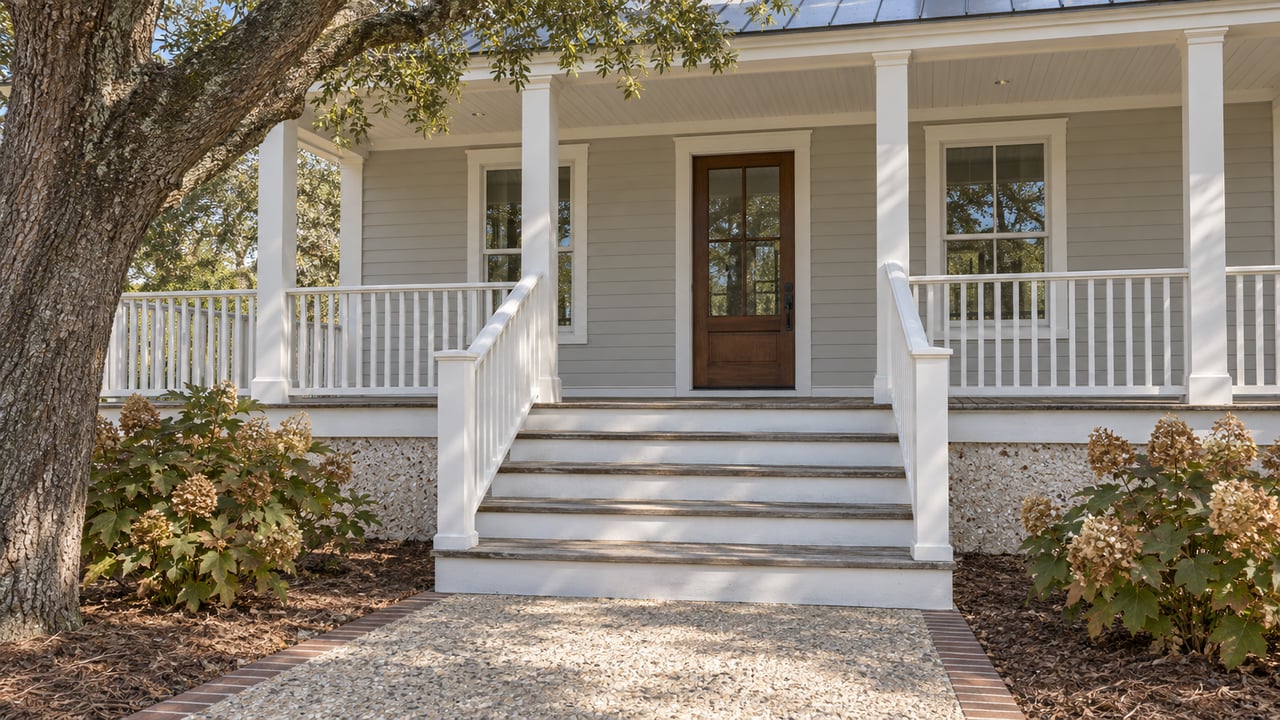
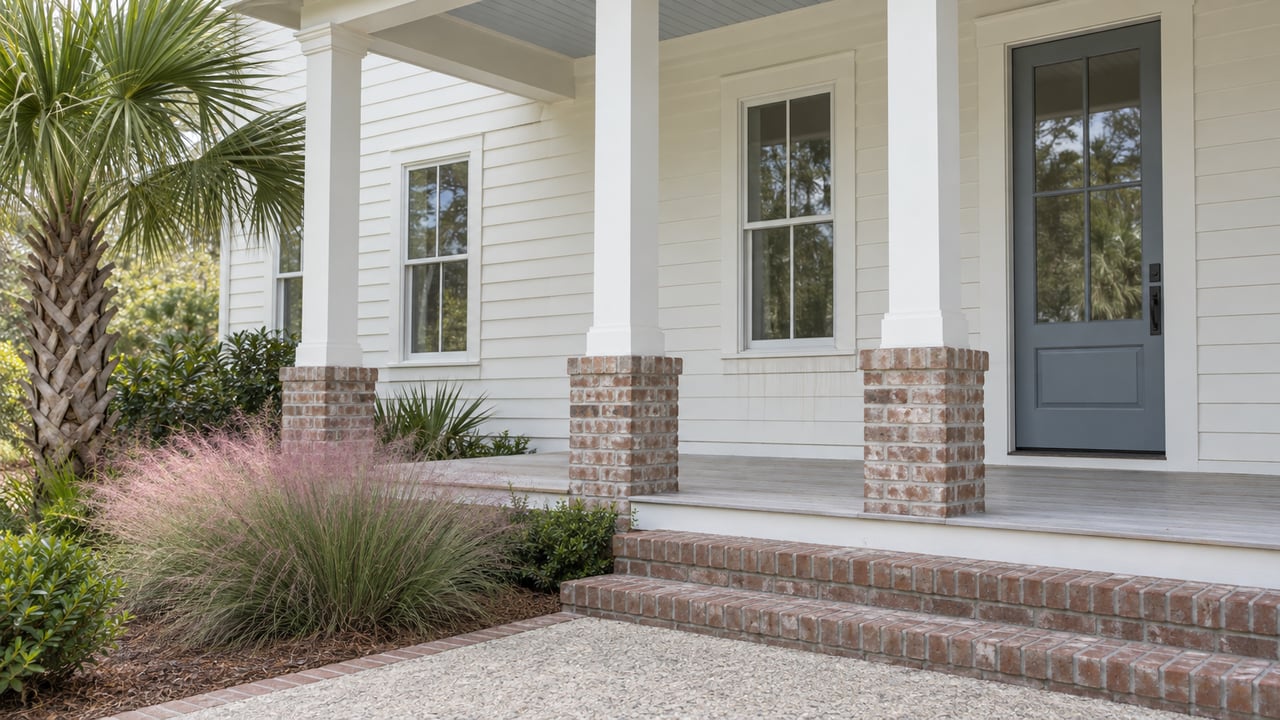
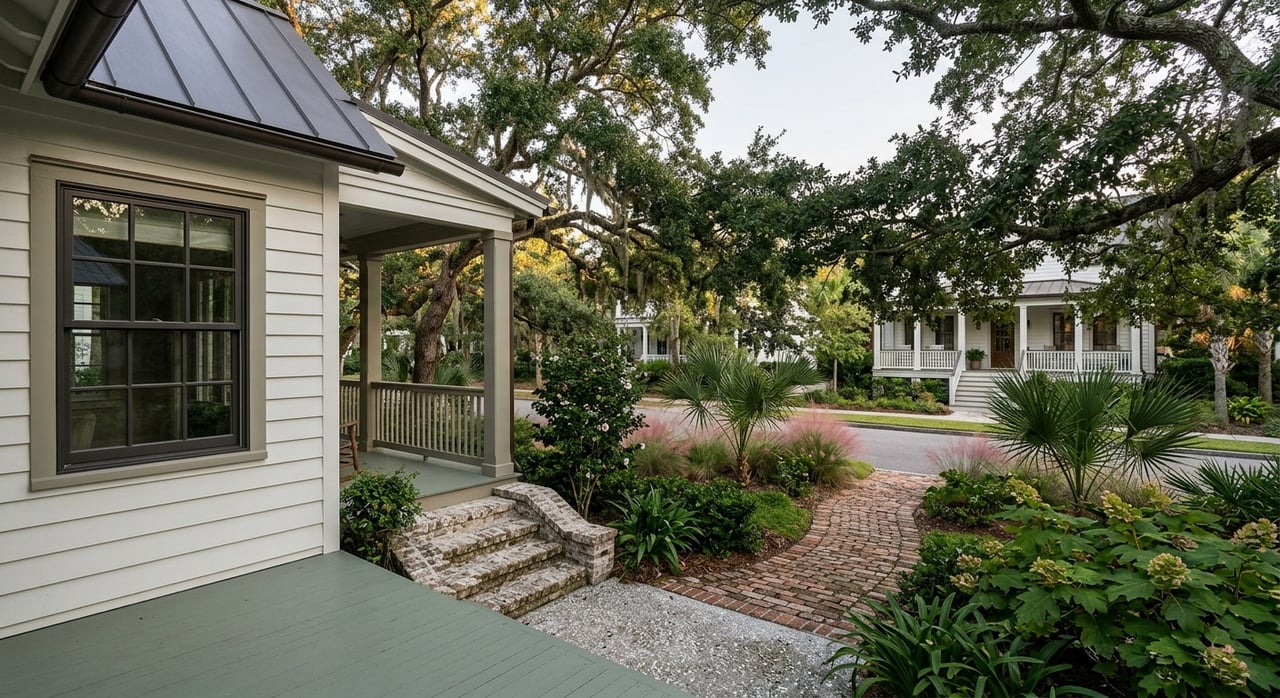
In-town homes often include older single-family houses, renovated historic homes, cottages, and infill properties near the original town. If you value architecture, mature streetscapes, and a setting with a strong sense of place, this side of Beaufort can be especially compelling.
A more active social setting
Downtown Beaufort often feels more lively than secluded. Waterfront Park is used for heritage festivals, special events, community events, weddings, concerts, and similar gatherings, so living nearby can mean being close to the energy of the city.
That can be a major advantage if you want your home base to support dining, strolling, and exploring. It may be less appealing if you are looking for a quieter, more tucked-away environment.
The hidden difference: upkeep and rules
For many buyers, the biggest difference between waterfront and in-town living is not style. It is the level of maintenance, insurance planning, and permitting that can come with the property.
This is where thoughtful due diligence matters most. A beautiful home can still be the right fit, but you want to understand what ownership will actually involve after closing.
Waterfront maintenance and flood planning
Waterfront homes can come with greater weather and flood exposure. Beaufort County uses FEMA Flood Insurance Rate Maps to regulate development in Special Flood Hazard Areas, and the county notes that new structures in flood hazard zones must be elevated to or above base flood elevation.
Flood insurance also deserves early attention. FEMA states that most homeowners insurance does not cover flood damage, and homes in high-risk flood areas with government-backed mortgages are required to carry flood insurance.
Coastal materials can also age differently near the water. FEMA notes that salt spray and onshore winds can accelerate corrosion of metal fasteners and connectors, and some exterior materials may be more vulnerable in salt-laden air.
Dock and shoreline permitting
If a property has an existing dock or you hope to add or modify one later, permitting becomes part of the conversation. Beaufort County’s dock application process requires county submission and OCRM approval.
That does not mean waterfront ownership is overly complicated. It does mean you should confirm what is already permitted, what improvements may be possible, and what timeline or review process may apply.
In-town review and historic oversight
In-town homes may avoid some marine-specific upkeep, but they are not regulation-free. In Beaufort’s Historic District, additions, demolitions, new construction, renovations, and site work require a certificate of appropriateness.
For the right buyer, that process is a fair trade for historic charm and architectural continuity. Still, if you plan to make changes, it is wise to understand the review process before you buy.
How to decide which lifestyle fits you
A simple way to make this decision is to think less about the listing photos and more about your actual routine. The best home is the one that supports how you plan to live most of the time.
Here are a few helpful filters:
Choose waterfront if you prioritize:
- Boating or frequent time on the water
- River, creek, or ICW views
- A retreat-like setting
- Dock access or dock potential
- A willingness to budget for flood insurance, elevation requirements, and marine-related upkeep
Choose in-town if you prioritize:
- Walking to shops, restaurants, and the park
- Easy access to downtown events and everyday errands
- Historic architecture and original-town character
- Less marine infrastructure to manage
- A home base centered on convenience and connection
A smart lens for second-home buyers
If you are buying a second home, the key question is often this: do you want the property to feel like a waterfront retreat or a low-friction base for enjoying downtown Beaufort?
Both can be excellent choices, but they serve different goals. One leans more toward private leisure and boating access, while the other supports dining, strolling, and easy enjoyment of the historic core.
A smart lens for primary-residence buyers
If you plan to live in Beaufort full time, frequency of use is one of the best filters. If you expect to boat often, buying for access may be worth the added complexity.
If your daily life will happen mostly on foot or around town, in-town convenience may deliver more value every week. Public water access remains available even if you do not buy waterfront, though parking and demand at popular landings can be limiting.
Due diligence that matters before you buy
No matter which path you prefer, parcel-level research is essential. Beaufort County says flood status is specific to the property, and its current effective flood maps for the unincorporated area were published in 2021.
Before making an offer, it is wise to verify:
- Flood zone status
- Elevation requirements
- Permit history
- Whether dock improvements exist or may be allowed
- Whether the property falls within the Historic District and is subject to review
A clear picture upfront can help you avoid surprises and compare options more accurately.
Final thoughts on Beaufort living
In Beaufort, the better choice is rarely about which lifestyle sounds more impressive. It is about which one feels easier, more enjoyable, and more aligned with how you want to spend your time.
If you want the water to be part of your everyday rhythm, waterfront living may be worth the extra planning. If you want charm, walkability, and a more effortless connection to the heart of town, in-town living may be the smarter fit.
If you want a thoughtful, neighborhood-first conversation about Beaufort and the broader Lowcountry, Eoin ODriscoll can help you compare options with clarity, care, and a local perspective.
FAQs
What is the main difference between Beaufort waterfront and in-town living?
- In Beaufort, the main difference is usually private water access and marine-related upkeep versus walkability, historic-core convenience, and preservation review.
Is downtown Beaufort considered waterfront living?
- Downtown Beaufort sits on the river, so it still offers a strong waterfront setting, but many buyers use “waterfront” to mean private or near-direct water access rather than simply being close to the river.
What should Beaufort waterfront buyers check before making an offer?
- You should verify the parcel’s flood zone, elevation requirements, flood insurance needs, permit history, and any dock-related approvals or constraints.
What should Beaufort in-town buyers know about the Historic District?
- In Beaufort’s Historic District, additions, demolitions, new construction, renovations, and site work require a certificate of appropriateness.
Can Beaufort in-town homeowners still access boating and the water?
- Yes. Public access is available through places such as Beaufort’s marina network and Beaufort County boat landings, although parking and demand can be a factor at popular locations.