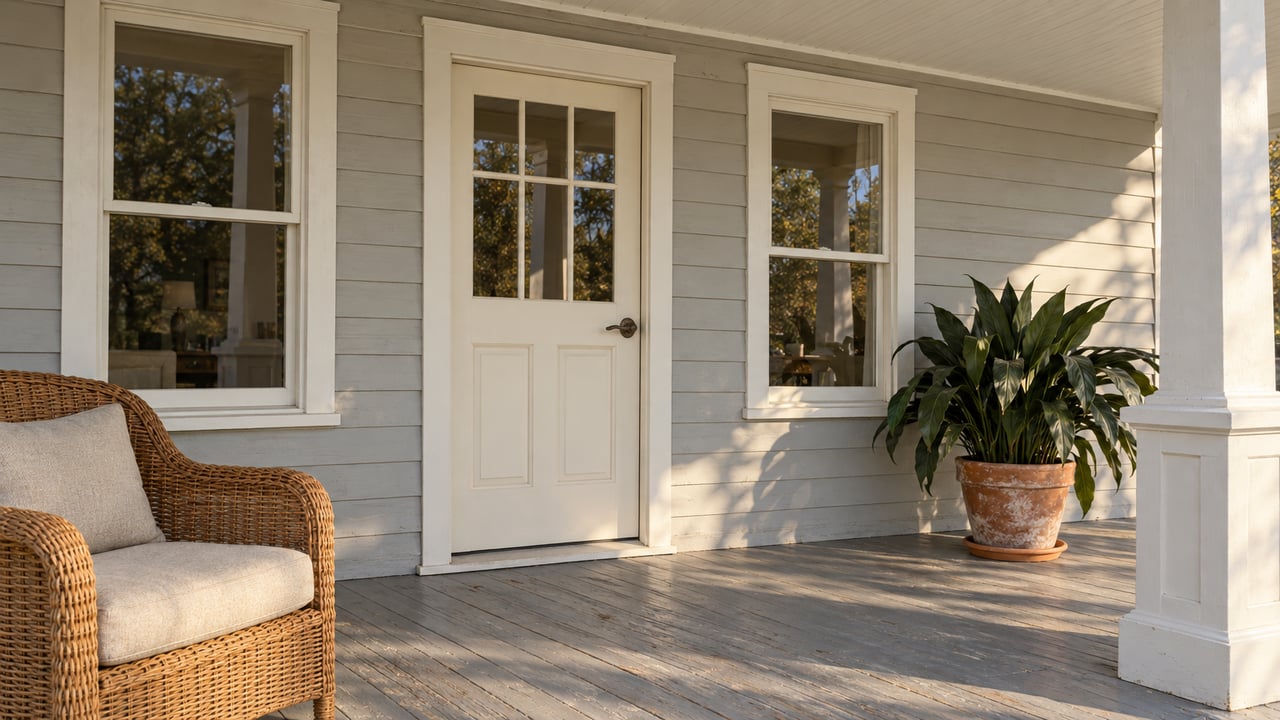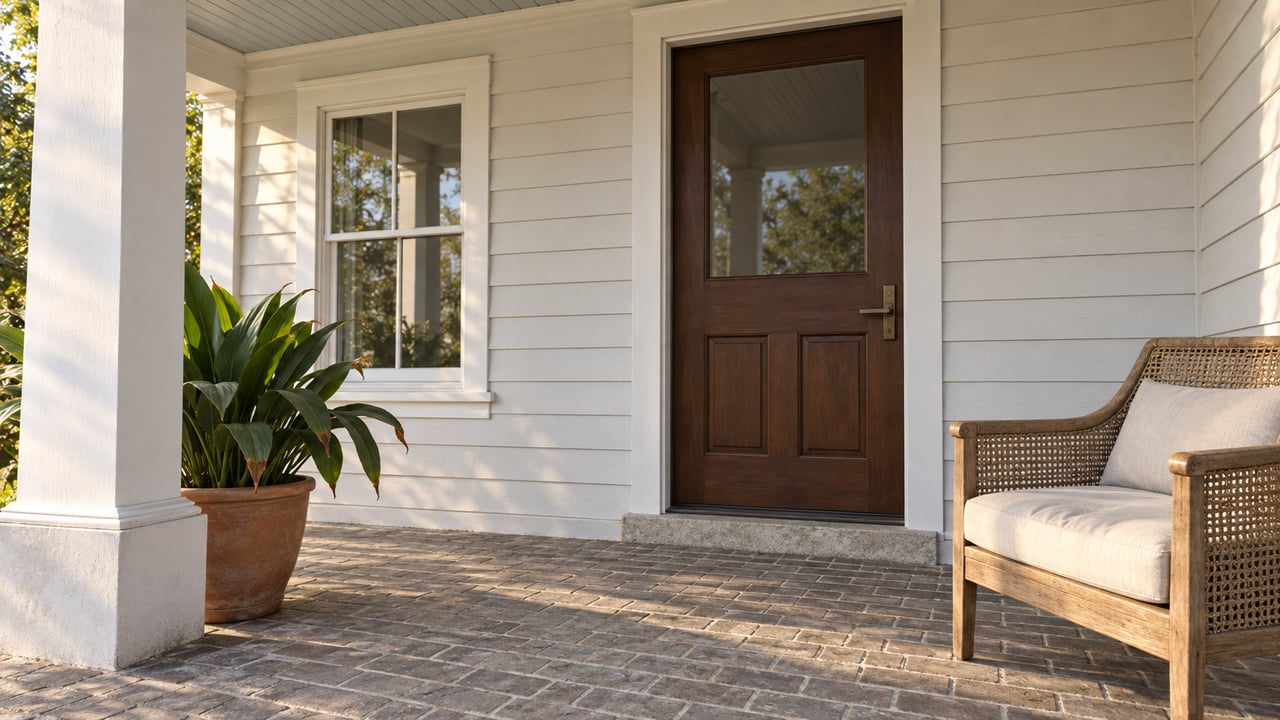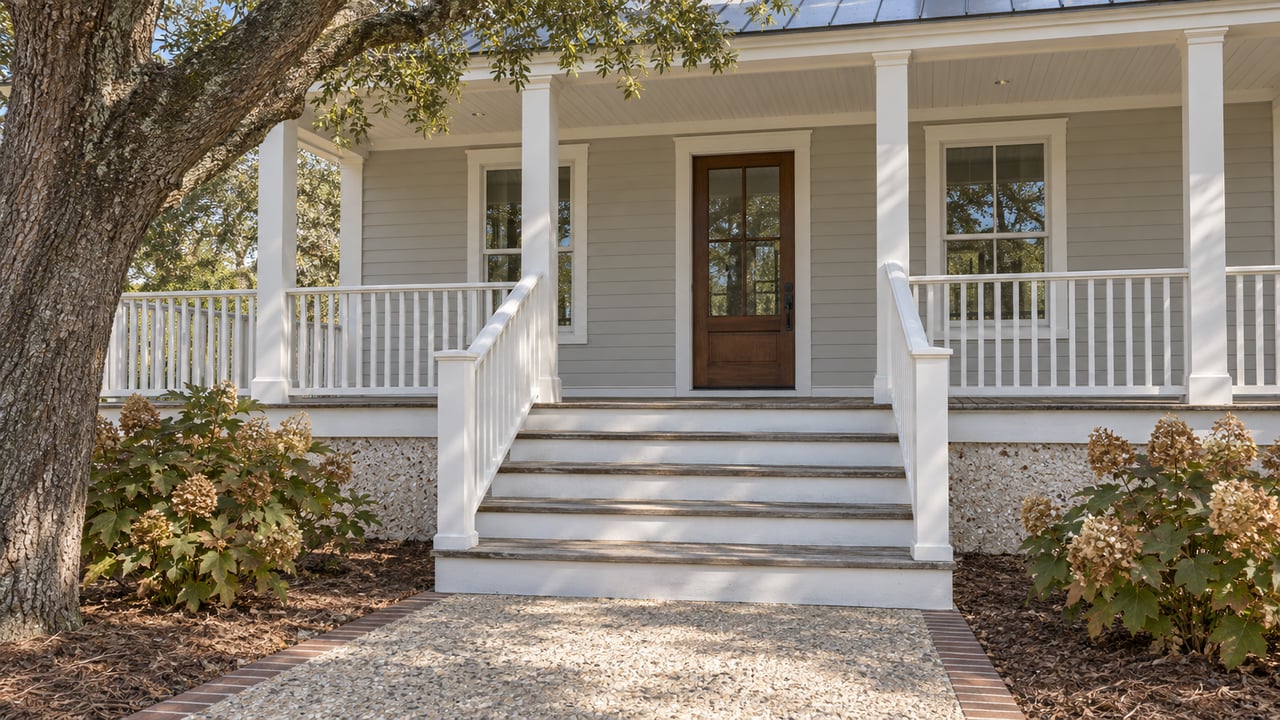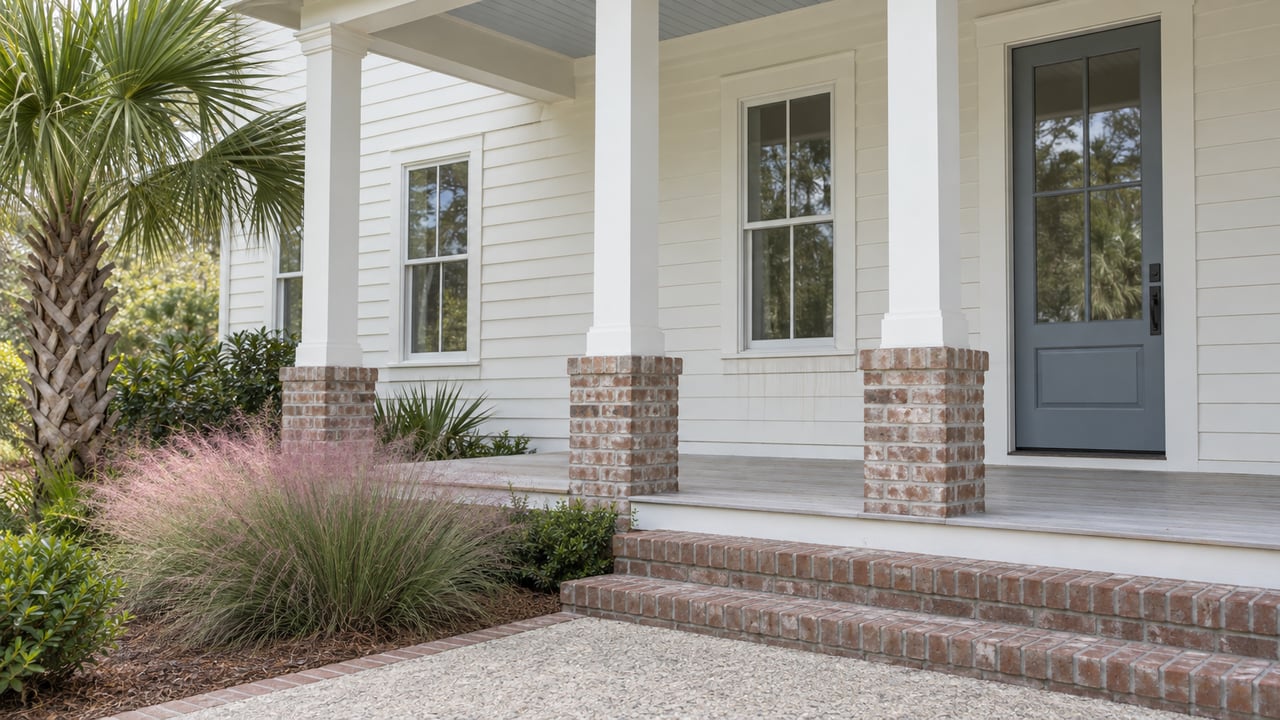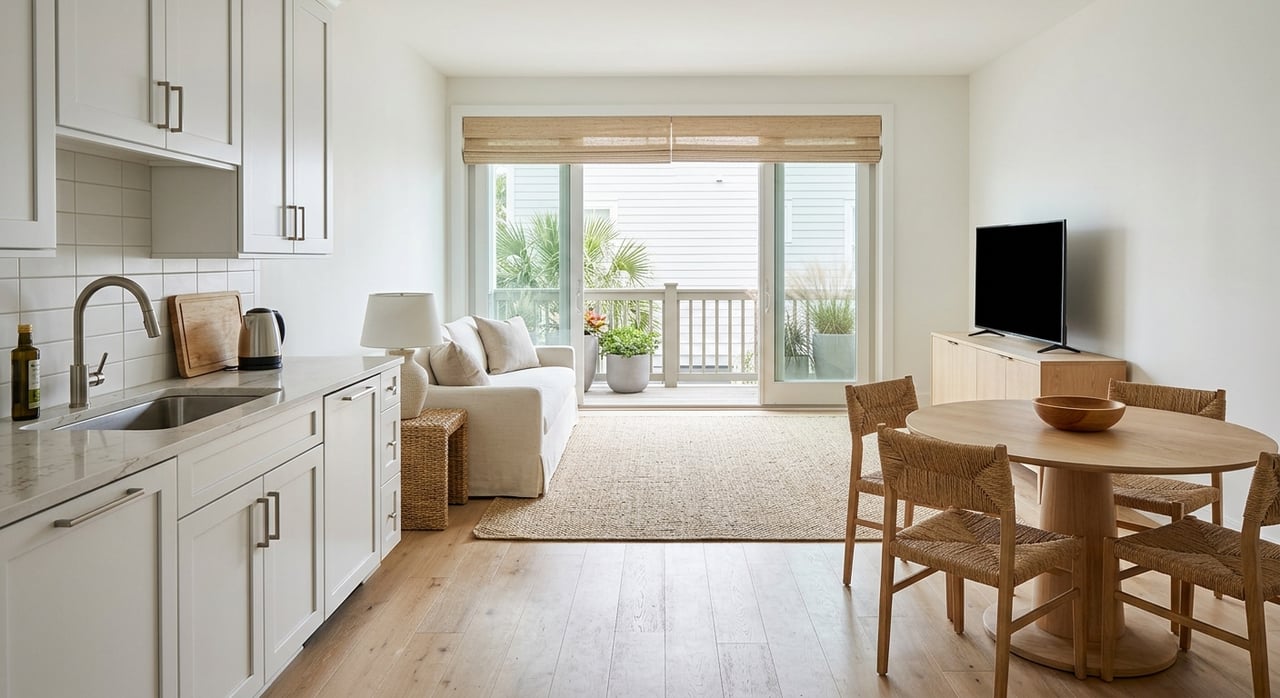
Dreaming of a Hilton Head villa that feels like a true retreat and performs well as a short-term rental? You are not alone. Many buyers want a place that supports easy island living while also appealing to guests, and the best results usually come from design choices that are practical, local, and well considered. This guide walks you through what matters most in Hilton Head, from layout and materials to guest experience and permitting details. Let’s dive in.
Start With Hilton Head Living
Designing for Hilton Head starts with understanding how people use the island. The Town of Hilton Head Island highlights 12 miles of beach, 64 miles of public pathways and nature trails, and beach parks with features like outdoor showers, boardwalks, beach matting, Wi-Fi, seasonal lifeguards, and beach rentals. That means many owners and guests arrive with sandy feet, beach bags, bikes, and a desire for spaces that feel effortless.
In practical terms, your villa should support that lifestyle from the moment you walk in. A simple arrival zone, a place to drop towels and shoes, and storage for bikes or beach gear can make the home feel more comfortable right away. On Hilton Head, relaxed function often matters more than overly delicate design.
The coastal setting also affects what holds up over time. Moisture, humidity, and salt air can be hard on interiors and hardware, so durable finishes and easy-clean surfaces are especially useful. If you want a villa that stays attractive with less stress, materials should work with the island climate, not against it.
Plan A Layout That Works
A successful rental-friendly villa usually has a layout that feels clear and honest. Hilton Head short-term rental rules state that bedrooms must be primarily for sleeping rather than serving as living, dining, or common space. That makes it smart to keep bedrooms simple, functional, and clearly defined.
Instead of trying to squeeze too many uses into one room, focus on comfort and flow. Real beds, bedside lighting, and enough open space to move around can make a room feel restful for both you and your guests. This approach also supports more accurate listing descriptions, which matters in a tightly regulated short-term rental market.
Public and private zones should feel distinct without becoming formal. A comfortable living area, a clear dining space, and a kitchen that works for casual breakfasts or easy dinners tends to suit the way most guests actually live on vacation. You want the home to feel intuitive on day one.
Keep Arrival Easy
Guest experience starts before anyone opens the door. Town guidance emphasizes clear parking instructions, designated spaces, trash storage, and no off-site street parking, and the current checklist allows a maximum of six vehicles on the driveway. For a buyer, that means the arrival sequence deserves real attention.
If guests can quickly understand where to park, where to enter, and where to place their things, the stay starts smoothly. This is one reason well-designed villas often feel more valuable than larger but more confusing ones. Ease is part of the appeal.
Preserve True Bedrooms
If you are buying with rental use in mind, avoid layouts that blur the line between sleeping space and common space. The town checklist makes it clear that bedrooms must meet code and function primarily as bedrooms. That rule should influence how you furnish and describe the property.
A well-planned bedroom usually includes a comfortable bed, nightstands, accessible lighting, and some open storage. It does not need to be elaborate to feel polished. In fact, simpler rooms are often easier to maintain and reset between stays.
Choose Finishes That Hold Up
In Hilton Head, the most useful finishes are usually the ones that look refined while handling moisture, sand, and frequent turnover. EPA guidance says moisture control is key to mold prevention and recommends keeping indoor humidity below 60% if possible, while CDC guidance also stresses fixing moisture issues quickly and drying damp materials fast. For villa owners, that supports practical surfaces in entry areas, bathrooms, and kitchens.
Washable walls, wipeable finishes, and rugs that can be removed or dried quickly are often a better fit than materials that trap moisture or show wear immediately. If an area tends to stay damp, carpeting may be less practical. The goal is a home that still feels fresh after a busy beach week.
Salt air matters too. FEMA notes that salt spray and moisture can accelerate corrosion in coastal areas, so hardware and outdoor accessories should be chosen with exposure in mind. Corrosion-resistant finishes, simple railings, and outdoor furniture made for coastal conditions can save time and replacement costs later.
Design for Quick Resets
The villas that perform best over time are often the easiest to clean and reset. VRMA cleaning guidance emphasizes a like-new experience between stays, along with careful attention to linens and high-touch surfaces like handles, switches, remotes, and faucets. That makes low-fuss furnishings a smart investment.
Furniture with clean lines, easy-care upholstery, and fewer fragile details tends to work well. Spare linens, labeled storage, and a dedicated owner or supply closet can also make turnovers easier. A beautiful villa should not be difficult to maintain.
Focus on Guest Comfort
Comfort is not just about style. It is about giving guests what they need without making them guess. Airbnb guidance points to basics like towels, pillows, linens, cookware, dishes, utensils, soap, toilet paper, Wi-Fi, smoke detection, a hair dryer, and an iron with an ironing board as part of a comfortable stay.
Bedrooms benefit from a comfortable mattress, bedside tables, and accessible lighting. Living rooms feel more welcoming with softer lighting and seating that encourages people to actually relax. Closets and drawers should also leave space for guest belongings instead of feeling fully claimed by the owner.
This matters for your own experience too. If a villa is easy for guests to settle into, it is usually easier for you to enjoy on personal visits as well. The best design choices often serve both purposes at once.
Add Storage Where It Counts
Storage has an outsized impact on guest satisfaction. Guests need places for luggage, toiletries, clothing, towels, and beach gear, and they need those places to make sense immediately. A bench near the entry, hooks for towels and bags, and open or clearly labeled storage can make a compact villa feel much more functional.
On Hilton Head, beach-oriented storage is especially relevant. Since the island is known for beach access and bike-friendly pathways, features like towel hooks, a rinse-off area, and storage for a beach cart or bikes feel closely aligned with how visitors use the area. These are small details that support a smoother stay.
Make the Villa Feel Local
The strongest rental appeal often comes from matching the home to the setting. On Hilton Head, that usually means clean, airy interiors that feel calm rather than crowded. A restrained coastal palette, natural textures, and a layout that supports indoor-outdoor movement often fit the island better than highly themed decor.
The key is to nod to the beach lifestyle without overdoing it. Guests generally respond well to homes that feel bright, simple, and comfortable. A villa does not need heavy decoration to feel memorable when the design already supports the way people want to live on the island.
Reliable access also shapes first impressions. Airbnb recommends accurate listing details, dependable self-check-in, and clear communication around amenities and restrictions. In practice, that supports keypad or lock-based entry, a concise house manual, and straightforward notes about any seasonal or community rules.
Build Safety Into the Experience
Safety and clarity are essential in Hilton Head's short-term rental environment. Town requirements call for smoke and carbon monoxide detectors, at least one fully charged fire extinguisher, and unobstructed escape routes, with added requirements possible for larger properties. These items should be easy to locate and simple to understand.
The town also posts quiet hours from 10 p.m. to 7 a.m. and expects parking and trash rules to be followed. A well-prepared villa should make these expectations visible without feeling harsh. Clear house rules, practical waste storage, and obvious emergency items help protect both guest experience and owner peace of mind.
Because the Atlantic hurricane season runs from June 1 through November 30, it is also wise to think about outdoor pieces that can be secured or stored quickly. That is not a local design rule, but it is a practical response to the coastal setting. Flexible outdoor planning can help reduce stress during storm season.
Confirm Rental Rules Before You Buy
If you are buying a villa for personal use and short-term rental income, confirm the operating framework before closing. The Town of Hilton Head Island says short-term rentals of fewer than 30 days require both a short-term rental permit and a Town business license. The town also requires an accommodations-tax account for sleeping accommodations rented for fewer than 90 days.
There are other details worth checking early. Town materials state that the permit number must appear in advertisements, an HOA approval letter is required if applicable, and the permit is separate from the business license and is non-transferable. The town also notes that current permit applications must be in a person's name rather than an LLC.
These rules can influence your buying decision more than many people expect. Before you fall in love with a floor plan or rental projection, verify what the association allows, what the town requires, and how the property has been used in the past. Clear due diligence protects both your lifestyle goals and your investment strategy.
Think Like an Owner and a Guest
The most successful Hilton Head villas usually do two things well at once. They give you a calm, easy place to enjoy the island, and they make it simple for guests to have a comfortable stay. That balance often comes from straightforward design rather than flashy upgrades.
As you compare properties, ask yourself a few practical questions:
- Is the entry set up for sand, shoes, and bags?
- Are the bedrooms clearly designed for sleeping?
- Do the finishes support moisture control and easy cleaning?
- Is there enough guest storage for a short stay?
- Are parking, trash, and house rules easy to explain?
- Can the villa be reset quickly between owner use and guest use?
If the answer is yes across most of those points, you are likely looking at a villa with lasting appeal. On Hilton Head, thoughtful design is not just aesthetic. It is part of how a property lives, rents, and holds up over time.
If you are weighing villa options on Hilton Head Island and want design-minded guidance grounded in how the market actually works, Eoin ODriscoll can help you evaluate properties with both lifestyle and long-term value in mind.
FAQs
What makes a Hilton Head villa feel more relaxing?
- A relaxing Hilton Head villa usually has an easy entry for beach gear, clear separation between living and sleeping areas, comfortable furniture, soft lighting, and finishes that are simple to clean and maintain.
What features help a Hilton Head villa appeal to renters?
- Rental appeal often improves with true bedrooms, clear parking instructions, guest storage, reliable self-check-in, Wi-Fi, practical beach gear storage, and accurate listing details that match the home.
What short-term rental rules matter for Hilton Head villas?
- The Town of Hilton Head Island says short-term rentals for fewer than 30 days need a short-term rental permit and a Town business license, and rentals for fewer than 90 days also require an accommodations-tax account.
Why do materials matter more in a Hilton Head villa?
- Hilton Head's coastal environment brings moisture, humidity, sand, and salt air, so durable finishes, moisture-aware design choices, and corrosion-resistant hardware can help a villa hold up better over time.
What should you confirm before buying a Hilton Head rental villa?
- You should confirm HOA or condo rental rules, whether an HOA approval letter is required, current permit status, business license details, parking setup, and whether the property can be accurately marketed under town rules.