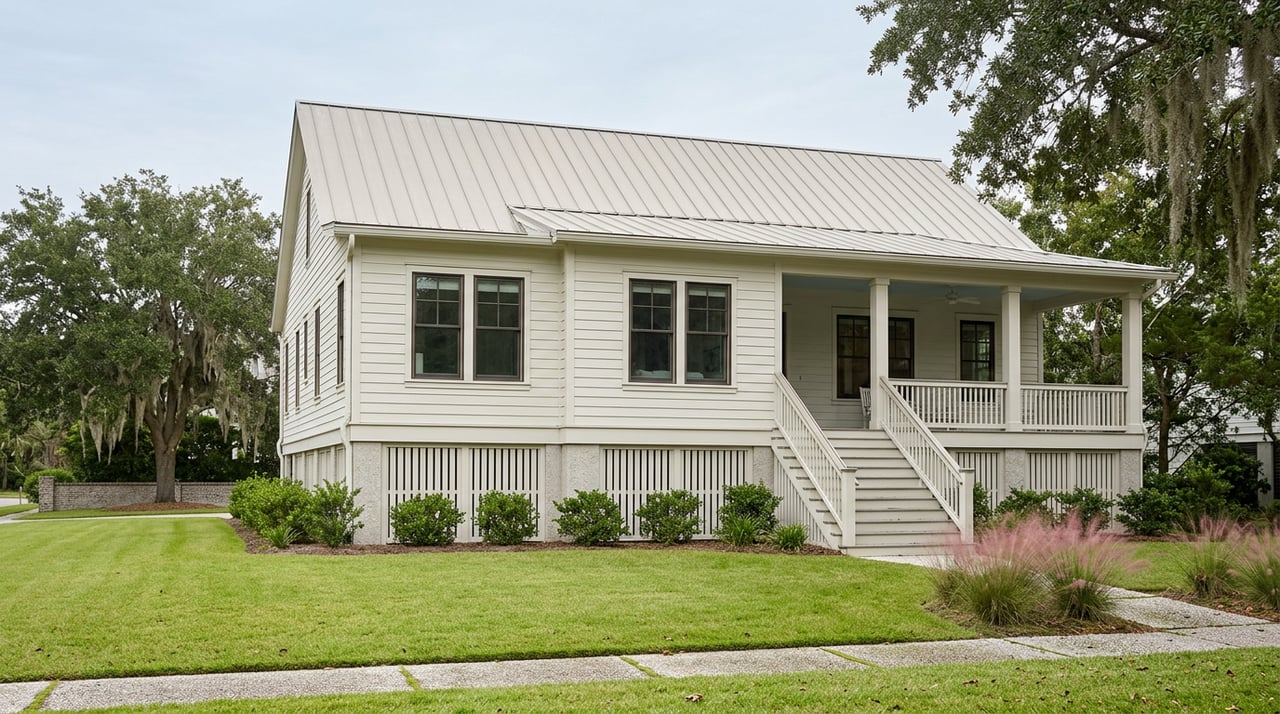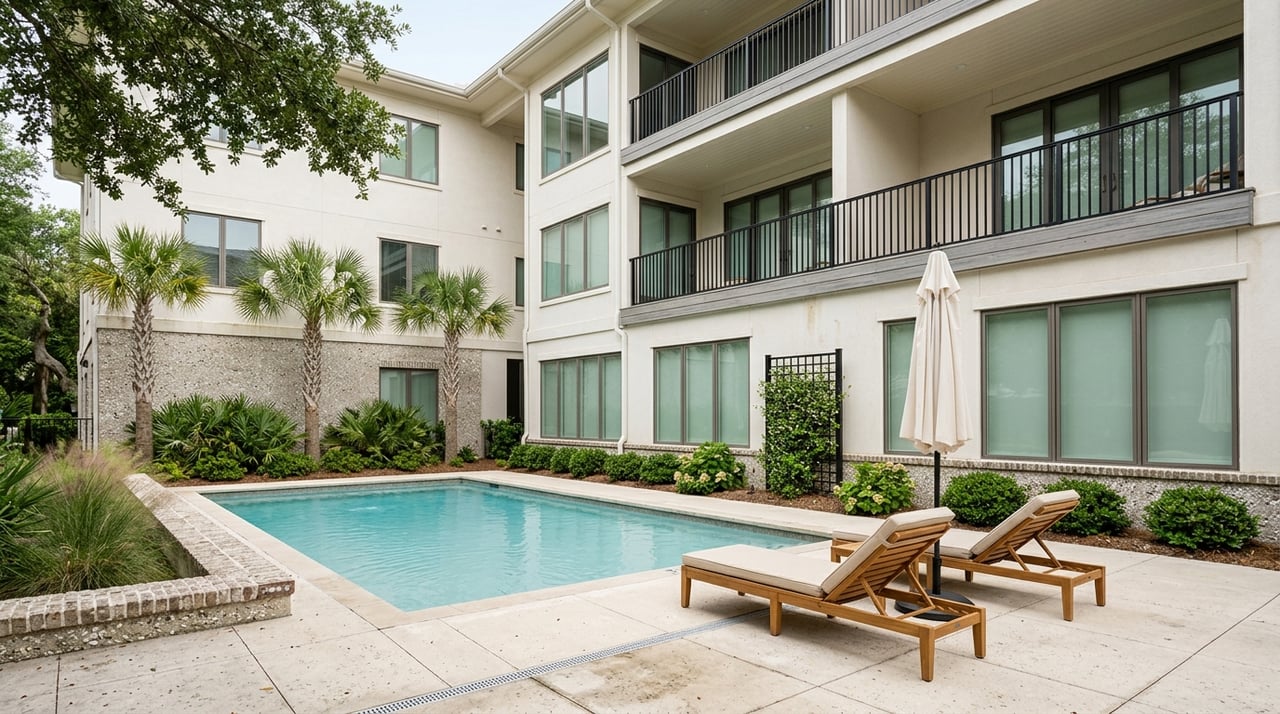
Wondering whether a Hilton Head condo will actually perform as a rental, or just look good on paper? That is a smart question to ask before you buy. On Hilton Head Island, the strongest rental candidates usually combine guest appeal, legal short-term rental eligibility, and a cost structure that still works after taxes, HOA dues, insurance, and management. Let’s dive in.
Why Hilton Head Draws Rental Demand
Hilton Head Island has a large, established visitor economy, and that matters when you are evaluating condo rental potential. The 2024 tourism impact report estimated about 2.835 million visitors to Hilton Head Island, roughly $1.02 billion in lodging spend, and $4.09 billion in total tourism impact in Beaufort County.
That same report also found that non-hotel accommodations were the top tourism-impact industry in Beaufort County in 2024. For condo buyers, that is an important signal. Villas and condos are not a side category here. They are a core part of how visitors stay on the island.
Seasonality matters too. The local chamber reports an average annual occupancy rate of about 55%, with the highest demand from May through September. That means a condo can benefit from strong peak-season demand, but your numbers should account for slower stretches during the rest of the year.
Start With the Right Rental Lens
A Hilton Head condo is not just a real estate purchase. In many cases, it functions like a small hospitality business. If you are evaluating rental potential, you need to look beyond list price and finish level.
A beautiful unit in the wrong location, with restrictive condo rules or weak parking, may underperform. On the other hand, a well-positioned villa with practical access, clear short-term rental approval, and manageable operating costs can be much easier to market to guests.
Focus on Location Drivers
Beach Access Matters More Than You Think
On Hilton Head, the beaches are public from the ocean to the high water mark, but access points themselves are often private. That means being close to the shoreline is not always enough. A condo with convenient access to a public beach entry can have a real advantage.
Coligny Beach Park is a helpful benchmark when comparing locations. It offers free parking and a Breeze trolley stop, which reinforces how important easy access can be for guests. If a condo is near a practical public access point, that can strengthen its rental appeal.
Walkability and Bike Access Add Value
Hilton Head is known for beaches, biking, golf, dining, and events. The island’s pathway network and bike-friendly infrastructure can make a real difference in how guests experience a stay.
For many visitors, convenience is part of the vacation. Condos near bike paths, pedestrian routes, dining, and recreation may appeal to guests who want to explore without relying on a car for every trip.
Amenity Clusters Can Support Demand
Some areas benefit from a stronger concentration of visitor-friendly amenities. Shelter Cove Harbour offers year-round waterfront dining, shopping, and entertainment, while Sea Pines is associated with golf, tennis, restaurants, beach access, and oceanfront lodging.
That does not mean every successful rental has to be in one of those exact areas. It does mean that condos tied to the island’s main visitor patterns are often easier to position than units that feel disconnected from what guests came to Hilton Head to enjoy.
Confirm the Condo Can Be Rented Short Term
Before you get attached to projected income, confirm that the condo regime actually allows short-term rentals. On Hilton Head, the town’s short-term rental ordinance applies to condos, villas, and single-family dwellings when the rental period is under 30 days.
That ordinance does not apply to hotels or timeshares, which is an important distinction. If you are buying a condo for rental use, one of the first questions should be whether both the town rules and the HOA or regime documents allow the type of rental activity you plan to do.
The town also requires an HOA approval letter if applicable as part of the short-term rental permit process. That makes HOA review more than a casual step. It is part of the legal and operational checklist.
Understand Permits and Operating Rules
If you plan to rent a condo short term, you will need a short-term rental permit for each property plus a Town business license. The permit fee is $250, permits are nontransferable and nonrefundable, and the current renewal cycle aligns with the April 30 business license deadline.
The town has also stated that applications must be in a person’s name rather than an LLC, and the permit number must appear in advertisements. Owners or agents must be reachable by phone at all times and must respond within one hour to complaints.
These details matter because they affect how hands-on ownership may feel, especially for out-of-state buyers. If you want a more passive experience, it is wise to think early about who will handle compliance, guest communication, and day-to-day oversight.
Evaluate Parking Before You Buy
Parking can directly affect guest experience and compliance. Hilton Head’s current short-term rental materials require guests to use designated improved-surface parking and prohibit parking on grass, pine straw, or streets.
The town also caps exterior parking at six spaces. While that cap may matter more for larger properties, condo buyers should still review exactly how many spaces come with the unit, whether guest parking is limited, and whether the layout works for the type of renter the property is likely to attract.
A polished unit with weak parking can create friction for guests from the start. In a vacation market, those practical issues often matter just as much as decor.
Underwrite Income Conservatively
It is tempting to base your decision on broad market strength alone, but you will want unit-specific analysis. The chamber reports average annual occupancy around 55%, average daily rate near $313, and RevPAR around $173. Those numbers are useful as directional benchmarks, not guarantees.
A specific condo still needs its own comp set. Floor plan, condition, access, parking, amenities, and HOA rules can all affect whether a unit performs above or below market averages.
When underwriting, pay close attention to:
- Monthly occupancy trends
- Average daily rate
- RevPAR
- HOA dues
- Reserve requirements
- Master insurance structure
- Special assessments
- Utilities
- Cleaning costs
- Management fees
This is where disciplined analysis matters. A condo that looks attractive on gross revenue can feel very different once recurring costs are layered in.
Factor in Taxes and Carrying Costs
Net yield on Hilton Head rentals can look very different from gross income. According to the South Carolina Department of Revenue, accommodations rented for less than 90 consecutive days are subject to 5% sales tax plus 2% accommodations tax, and Hilton Head adds a 3% local charge that is split between accommodations tax and beach preservation.
If you book the property directly, a retail license is needed. If the property is rented exclusively through a property management company or online travel company that books and accepts payment, that intermediary is responsible for remitting the tax.
Mandatory cleaning fees are also taxable. That is an easy detail to miss when estimating net income.
Property tax treatment also matters. Beaufort County states that primary residences are assessed at 4% of appraised value, while other residential and commercial property is assessed at 6%. If you are comparing a second home, investment condo, or future primary residence, that ownership classification can materially change your carrying costs.
Review Insurance Early
Because Hilton Head is coastal, insurance needs to be part of your early due diligence. FEMA notes that flood insurance is separate from homeowners insurance and can cover the building, contents, or both.
For condo buyers, that means you should understand both the association’s master policy and what you may need as an individual owner. Waiting until late in the process to review flood exposure and coverage can create surprises in your budget.
Build the Right Local Team
The best Hilton Head rental purchases are usually supported by the right professional team. A local property manager can help you understand guest expectations, seasonality, and realistic income assumptions for a specific villa or condo regime.
A CPA or tax advisor can help you think through accommodations taxes and ownership structure. An insurance agent familiar with coastal and flood coverage can clarify risk and cost. The HOA or regime manager can confirm rental rules, operating requirements, and any upcoming assessments.
Each of those conversations helps turn a broad idea into a real decision. That is especially important if you are buying from out of state and need a clear picture before closing.
What Strong Rental Candidates Often Share
The best rental candidates on Hilton Head usually have a few things in common. They align with how visitors actually use the island and they clear the practical hurdles that can hurt performance.
Look for condos that offer:
- Lawful short-term rental eligibility
- Convenient beach or amenity access
- Easy bike or pedestrian connectivity
- Practical and compliant parking
- A manageable HOA and insurance profile
- Costs that still support your goals after taxes and fees
In short, the right condo should fit both your lifestyle and your numbers. The goal is not just to buy on Hilton Head. It is to buy wisely.
If you are comparing villas, beach-adjacent condos, or turnkey rental-ready properties on Hilton Head Island, working with a local advisor can help you evaluate the details that really affect performance. For thoughtful, neighborhood-focused guidance, connect with Eoin ODriscoll.
FAQs
What makes a Hilton Head condo attractive to renters?
- Condos tend to be more attractive to renters when they have practical beach access, proximity to dining or activity hubs, good bike or pedestrian access, compliant parking, and legal short-term rental eligibility.
Do Hilton Head condos need a short-term rental permit?
- Yes. For rentals under 30 days, the Town of Hilton Head Island requires a short-term rental permit for each property along with a Town business license.
Can every Hilton Head condo be used as a vacation rental?
- No. Even if the town allows short-term rentals in general, you should confirm that the specific condo regime or HOA permits them before closing.
How seasonal is the Hilton Head rental market?
- The market is seasonal, with the highest demand from May through September. The local chamber reports average annual occupancy of about 55%.
What taxes affect Hilton Head short-term rentals?
- According to the South Carolina Department of Revenue, rentals under 90 consecutive days are subject to 5% sales tax, 2% accommodations tax, and Hilton Head adds a 3% local charge tied to accommodations tax and beach preservation.
Why is parking important for Hilton Head condo rentals?
- Parking affects both guest convenience and local compliance. Town rules require designated improved-surface parking and prohibit parking on grass, pine straw, or streets.
Should Hilton Head condo buyers review flood insurance?
- Yes. Flood insurance is separate from homeowners insurance, so buyers should review flood exposure, association coverage, and any individual policy needs early in the process.