Imagine starting your day with coffee on Bay Street as the tide slides by and boats ease along the Beaufort River. If you are weighing a move to downtown Beaufort, you likely want more than pretty postcards. You want to know how it feels to live here day to day, what homes are like, and what trade-offs to expect. In this guide, you will find a clear picture of life in downtown Beaufort so you can decide if the rhythm, amenities, and housing choices match your goals. Let’s dive in.
The heart of downtown
Downtown Beaufort gathers around the river. The lawns and promenade of Henry C. Chambers Waterfront Park create an outdoor living room for the city, with benches facing the marsh and regular community events. Stroll the water’s edge, watch shrimp boats at work, or catch music under the pavilion. It is the social center of in-town life and a scene you will revisit often as a resident. Explore the park’s setting and history through the National Park Service page for Henry C. Chambers Waterfront Park.
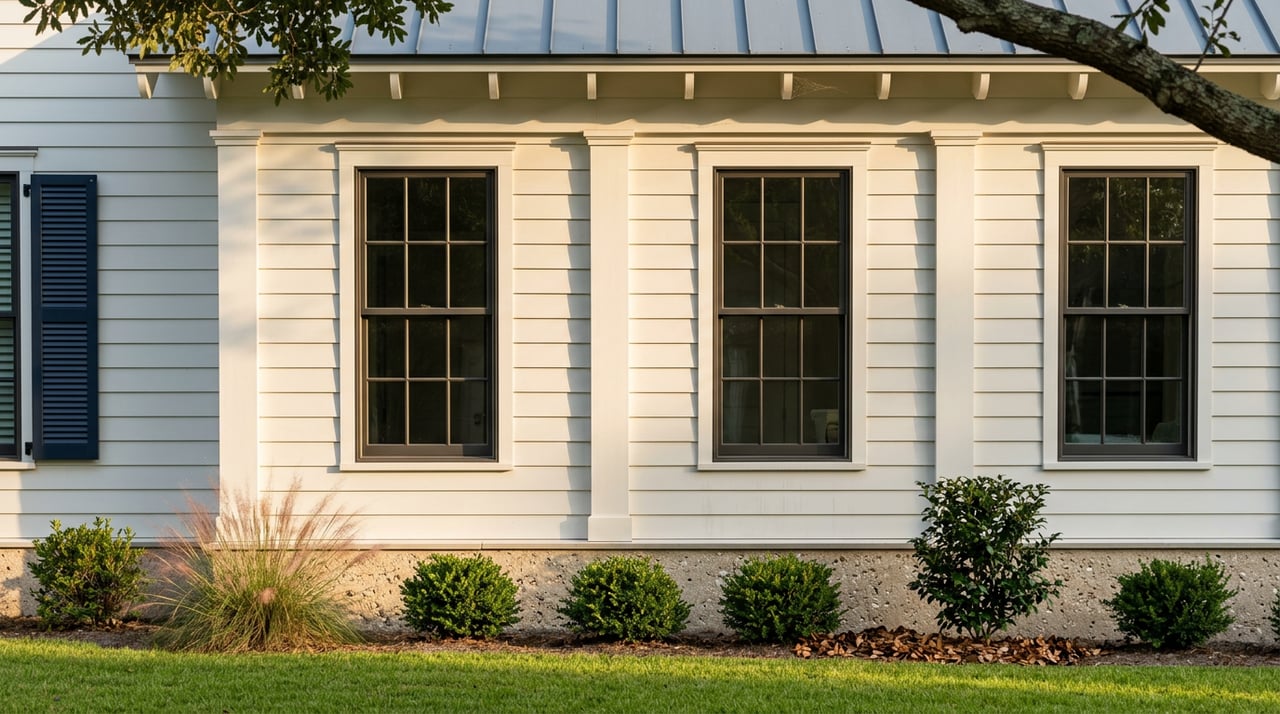
A few steps inland, Bay Street holds a compact stretch of shops, galleries, and restaurants. Tree-lined streets, live oaks, and preserved architecture give the downtown blocks character and scale. The historic district status helps keep that fabric intact, and it shapes renovation choices for many in-town homes.
Walkability and daily rhythm
One of the biggest draws is walkability. With a Walk Score around 63, downtown is “somewhat walkable,” which means you can handle many daily needs on foot, especially dining and errands in the historic core. Check your own routine against the Walk Score for Beaufort.
The neighborhood’s sidewalks and the Spanish Moss Trail make it easy to add a morning walk or sunset bike ride to your day. You also have cultural anchors a short stroll away: the University of South Carolina Beaufort’s downtown footprint and the USCB Center for the Arts bring lectures, concerts, and community events into town. Get a sense of campus locations on USCB’s campus overview.
Weekend rhythms tend to follow the water and the arts calendar. Markets, gallery shows, and outdoor events often cluster by the waterfront and around Bay Street, so your social life can be as simple as stepping out your front door.
Housing types and what to expect
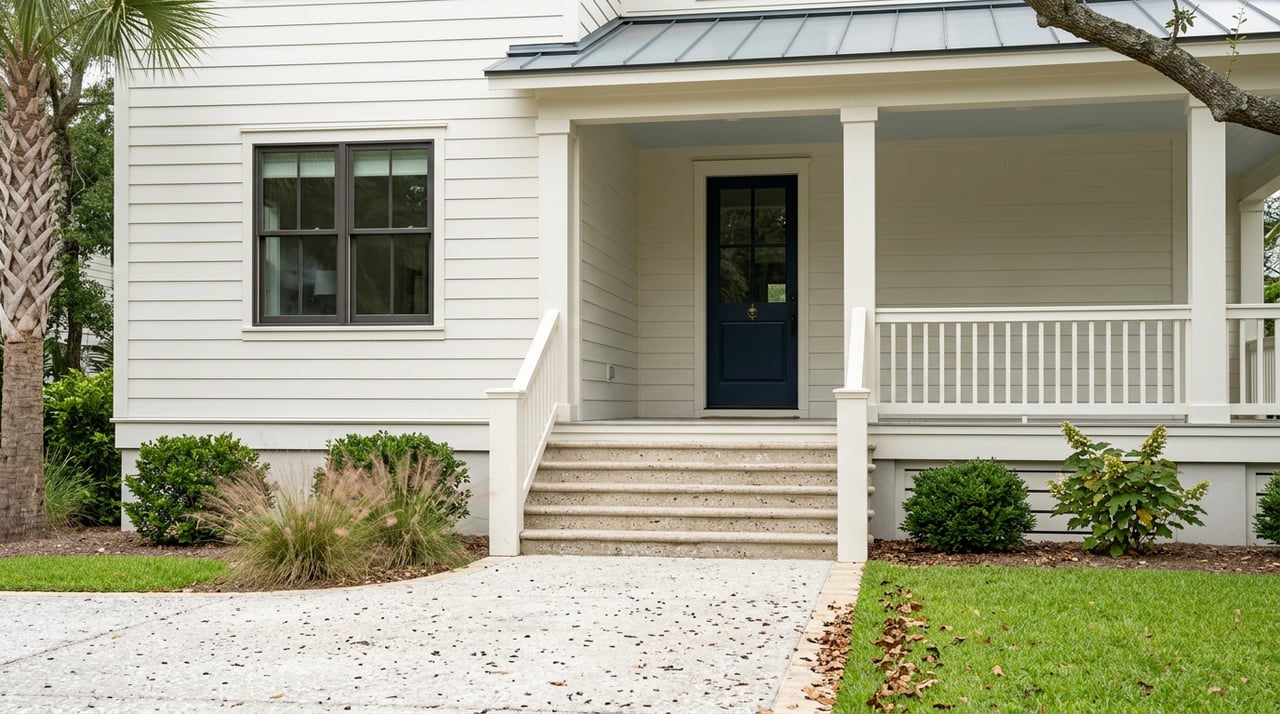
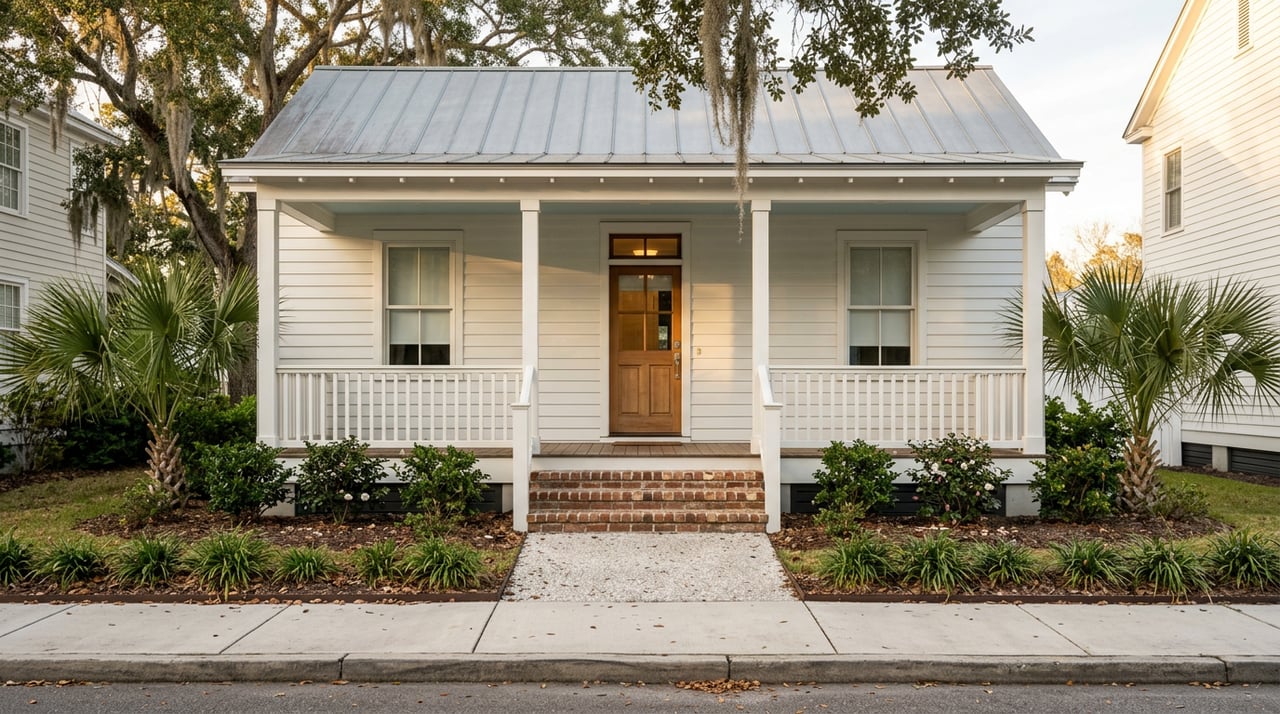
Downtown inventory is smaller than in the wider county, and you will see a blend of historic single-family homes, in-town cottages, and a handful of small condos or carriage-house conversions. Buyers focused on the core often place a premium on walkability, historic character, and water views. Expect higher per-square-foot pricing for renovated historic homes and for properties with river exposure, and more variability between micro-neighborhoods than you might see in newer planned communities nearby.
Citywide market snapshots in early 2026 pointed to median sale prices in the low-to-mid $400Ks, with islands and certain coastal communities trading higher. Downtown itself is a niche within that story. If you have a firm budget, consider whether character-rich cottages just off the river or compact condos near Bay Street offer the right mix of access and value.
Here is a quick checklist to sharpen your downtown search:
- Confirm whether the address sits within a historic district overlay and what that means for exterior changes.
- Review parking arrangements, especially for older homes with limited off-street options.
- Ask for elevation certificates, check FEMA flood maps, and price flood insurance early in your process.
- For condos, study HOA budgets, reserves, and short-term rental policies if relevant to your plans.
- If you are open to nearby islands or new-build options, compare pricing, HOA fees, and commute needs.
Dining, shopping, and coffee
Food and everyday shopping cluster along Bay, Carteret, and Craven streets. You will find café breakfasts, Lowcountry seafood, sandwich shops, and markets for pantry staples, with larger grocery chains a short drive away on Lady’s Island. To get a sense of the storefront mix, browse this guide to discovering Bay Street.
The tone is friendly and local. You will start to recognize the barista who remembers your order and the shop owner who points you to a new artist’s work. That small-business feel is part of downtown’s day-to-day charm.
Arts, history, and events
Living downtown means living inside Beaufort’s cultural district. The USCB Center for the Arts programs performances and screenings throughout the year. The Reconstruction Era National Historical Park adds context and storytelling that reach beyond museum walls, with walking tours and interpretive events. For visitor details and FAQs, see the Reconstruction Era National Historical Park.
Signature festivals set the calendar. The Beaufort Water Festival energizes summer. Taste of Beaufort celebrates local food. The Pat Conroy Literary Festival attracts book lovers each fall. If you like a city that feels alive on weekends without losing its everyday ease, downtown Beaufort strikes that balance.
On the water and outdoors
The river shapes daily life here. Boating, paddleboarding, and short cruises leave from the marina area and nearby ramps. It is common to spend an evening on the promenade, then drift to a waterfront dinner a few blocks away.
For quiet miles, the Spanish Moss Trail gives you a scenic greenway through marsh and neighborhoods. When you want a beach day, head to Hunting Island State Park. It is roughly a 15 to 25 minute drive, and it delivers wide sand, a lighthouse, and maritime forest. Get park details and updates from Hunting Island State Park.
Climate supports long outdoor seasons. Winters are generally mild, spring and fall are comfortable, and summers are hot and humid. Tropical storms and hurricanes are part of the late summer and fall window, so plan home features and insurance accordingly.
Healthcare, schools, and essentials
You have strong access to healthcare. Beaufort Memorial serves as the region’s principal medical system, with the main hospital and specialty centers close to downtown. Learn more about the system’s community standing here: Beaufort Memorial Hospital recognition.
For K–12, downtown addresses are within the Beaufort County School District. Attendance zones vary by street, and options include public, private, and charter schools in the wider area. For district announcements and resources, visit the Beaufort County School District.
Getting around and commute context
Downtown is compact for daily life, but you will likely keep a car for larger errands. Street parking is metered or time-limited in many blocks, with public lots nearby. Rideshare options exist, though regional public transit is limited in frequency beyond the core.
For regional trips, plan about 1 to 1.5 hours to Charleston depending on route and traffic, about 1 hour to Savannah, and roughly 30 to 45 minutes to Hilton Head and its airport. Many residents balance in-town lifestyle with regional travel for work or flights.
Flood risk, insurance, and waterfront realities
Beaufort’s beauty is inseparable from its waterways, and that means flood awareness is part of smart homeownership. The city and county emphasize that tidal surge, high-tide flooding, and heavy-rain events are the main hazards. If a property sits in a FEMA Special Flood Hazard Area, lenders typically require flood insurance. Start by reviewing the city’s guidance on Flood Awareness, and use FEMA maps and local elevation certificates to understand a specific home.
Sea-level rise planning is ongoing across the region, and shoreline-adjacent permitting often reflects that long view. When you compare properties, weigh elevation, drainage, and insurance quotes with the same care you give to finishes and floor plans.
A practical note for 2025: portions of the waterfront promenade and day-dock have seen temporary closures for safety and repairs, which can shift event layouts or short-term access. You can read about the impacts of the waterfront park closures. Projects like this are part of coastal cities’ regular maintenance cycles and worth tracking during your home search.
Is downtown Beaufort right for you?
If you love historic streets, water at your doorstep, and a culture calendar strong enough to anchor your week, downtown Beaufort delivers a grounded, walkable lifestyle. You trade bigger garages and suburban square footage for front porches, river breezes, and evenings where you leave the car at home.
Here is a simple snapshot to help you decide:
- What you will love: riverfront park energy, walk-to-dinner ease, year-round arts and festivals, and quick access to beaches and the Spanish Moss Trail.
- What to plan for: smaller inventory and higher premiums for historic or waterfront homes, metered street parking, hot summers, and due diligence on flood and insurance.
If you want a knowledgeable guide to compare downtown to nearby islands or planned communities, you can lean on market data and local context to find the right fit. When you are ready to explore homes or talk strategy, reach out to Eoin ODriscoll. FOLLOW YOUR DREAM, HOME.
FAQs
Is downtown Beaufort walkable for daily needs?
- Yes, the core is “somewhat walkable” with a Walk Score around 63, so you can walk to many restaurants, shops, and cultural spots while using a car for larger errands.
What types of homes are in downtown Beaufort?
- You will find historic single-family homes, in-town cottages, and some small condos or carriage-house conversions, with premiums for renovated historic properties and water views.
How far is the beach from downtown Beaufort?
- Hunting Island State Park is typically a 15 to 25 minute drive and is the go-to public beach for many residents seeking sand, surf, and maritime forest.
What should I know about flood insurance in downtown Beaufort?
- If a home lies in a FEMA Special Flood Hazard Area, lenders usually require flood insurance; review FEMA maps, elevation certificates, and the city’s flood guidance early in your process.
Are there reliable healthcare options near downtown Beaufort?
- Yes, Beaufort Memorial is the region’s main hospital system with nearby facilities, giving you access to acute care and specialty services in the county.
How is parking and transportation in downtown Beaufort?
- Expect metered or time-limited street parking and nearby lots; rideshare exists, though regional public transit is limited, so most residents use private cars for cross-county trips.